The Complete Guide to Building Billion-Dollar Wealth in the Service Industry

From Small Local Services to Scalable Global Service Systems

The service industry is one of the easiest industries to enter and one of the hardest to scale. It includes businesses that provide value through skills, labor, systems, and expertise. While many service businesses remain small, those that successfully systemize and scale can grow into large, highly profitable companies.

Why the Service Industry Creates Billionaires

The service industry encompasses billions of dollars in global activity. From consulting to logistics to maintenance, services are essential to every economy. Yet most service businesses remain small, stuck in the "solo effort or small team" trap.

Those who successfully break through this barrier—by systemizing operations, building teams, and securing long-term contracts—can build extremely profitable, scalable companies. A service business that generates R1M annual profit is worth far more than one dependent on the founder's personal effort.

This guide explains how wealth is built in services—step by step, from solo operator to global service empire.

Understanding Service-Based Businesses

The Definition

Service businesses provide value through work performed, expertise delivered, and systems executed—rather than through physical products. The value is in the labor, knowledge, and consistency of delivery.

Examples Include

Key Insight: The real value comes from systems and execution, not just effort. A solo cleaner trades time for money. A cleaning company with systems and teams creates recurring wealth.

How Services Are Delivered
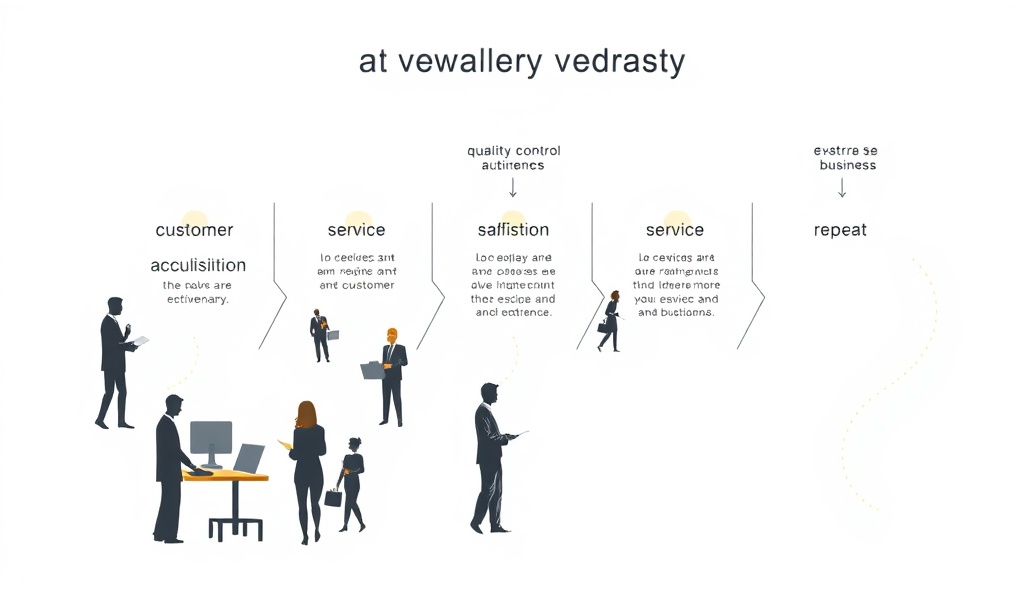
Service Industry Value Chain

Breaking Down Each Stage

Key Lesson: Consistency and reliability drive long-term success. Service businesses thrive on reputation and repeat customers.
Profit Drivers in Services

High Margins

Low cost of goods/materials. Most profit comes from labor and efficiency.

Repeat Customers

Once you deliver good service, customers return repeatedly.

Recurring Contracts

Stable, predictable income from long-term client relationships.

Efficiency & Time

Better systems and processes reduce cost and increase output per employee.

Scaling Teams

More employees delivering service = more revenue with similar costs.

Key Insight: The biggest service businesses move from time-for-money → systems-for-money. A cleaner earning R2K/day is limited. A cleaning company with 50 employees earning R100K/day is scalable.

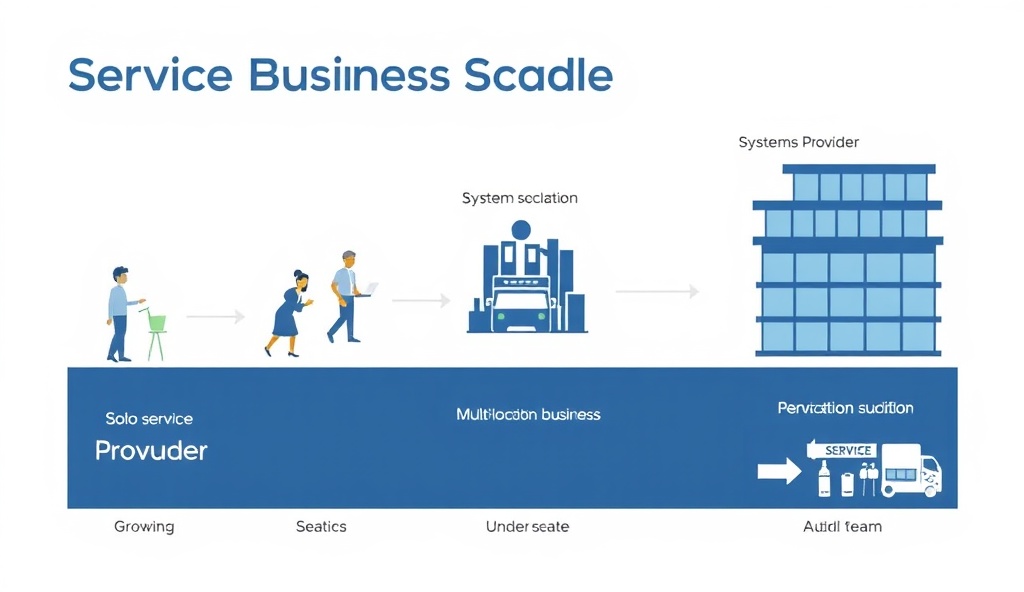
Different Service Business Models

Service Business Scaling Model

Local Services

Cleaning, maintenance, repairs. Low barrier, high demand, local service area.

Professional Services

Consulting, legal, finance. Higher margins, expertise-driven, premium pricing.

Digital Services

Marketing, software, design. Scalable globally, can be delivered remotely.

Operational Services

Logistics, facilities, outsourcing. Large scale, recurring contracts, stable.

Entry Strategy (Step-by-Step)

Step 1 — Choose a Service

Step 2 — Start Small

Step 3 — Build Reputation

Step 4 — Increase Pricing

Step 5 — Build a Team

Step 6 — Systemize Operations

Step 7 — Scale the Business

Different Ways to Enter Services

Low Capital (R0 – R50K)

  • Solo service offerings
  • Freelancing and contract work
  • Small local operations

Medium Capital (R50K – R1M)

  • Small service teams
  • Multi-client operations
  • Equipment and infrastructure

High Capital (R1M+)

  • Large service firms
  • Multi-location businesses
  • Enterprise-level services

The Scaling Engine

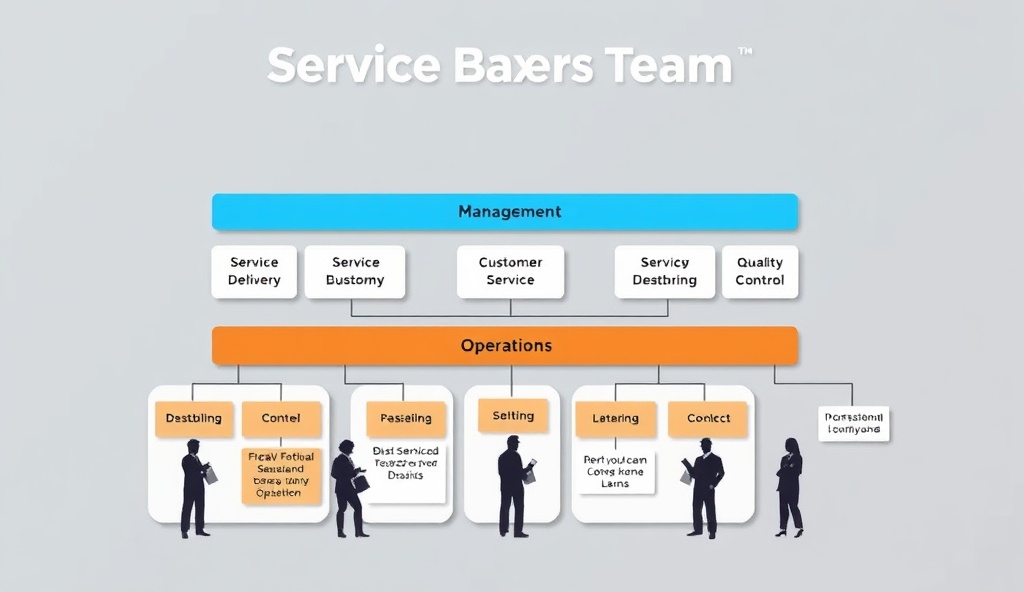
Service Team and Operations Structure

Building Scalable Systems

Key Lesson: Scaling comes from systems + people, not just more work. The business should generate profit even when you're not personally delivering the service.

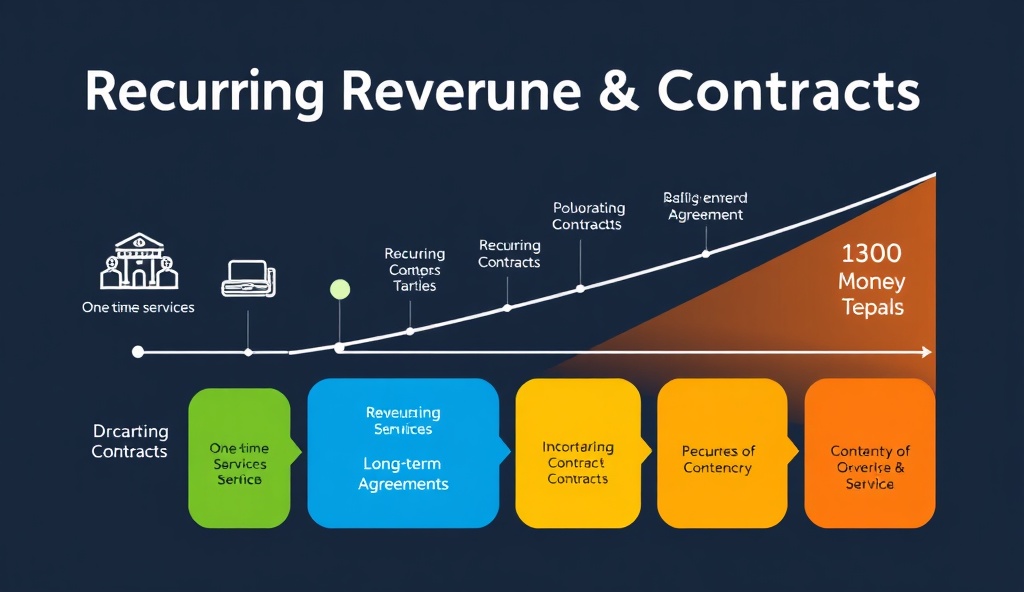
Why Recurring Revenue Matters

Recurring Revenue and Contracts

The Contract Advantage

A company earning R500K from 10 project-based clients is risky. A company earning R500K from 3 long-term contracts is stable and scalable. Transition from project-based to contract-based business as quickly as possible.

The Core of Scalable Services

Why Systems Matter

Systemization is the difference between a small business and a scalable one. Without systems, you're dependent on key people. With systems, you're dependent on processes.

Critical Systems to Build

Local Market Insight

Service Industry in South Africa

South Africa has significant opportunity in service industry consolidation. Many fragmented providers operating at low standards. Professional, well-managed service companies can capture market share and build substantial wealth.

High-Growth Service Models

Franchise Systems

Replicate your model across multiple franchisees, scale without capital investment.

Agency Models

Sell services to corporate clients, deliver through team. High margins, recurring revenue.

Outsourcing Companies

Provide back-office or operational support to larger companies. Stable contracts.

Facilities Management

Multi-service provider for building management. Large contracts, steady revenue.

Multi-Location Services

Replicate successful local model across multiple cities. Geographic diversification.

How the Biggest Service Fortunes Are Built

Deploying Capital in Services

Invest in Hiring

Best capital deployment is hiring great people who expand service delivery capacity.

Improve Systems

Technology, training, and processes that improve efficiency and quality.

Expand Marketing

Acquire new clients through sales and marketing investment.

Build Infrastructure

Offices, equipment, technology, and operational infrastructure for growth.

Key Principle: Every capital deployment should increase service delivery capacity, improve margins, or secure new contracts.

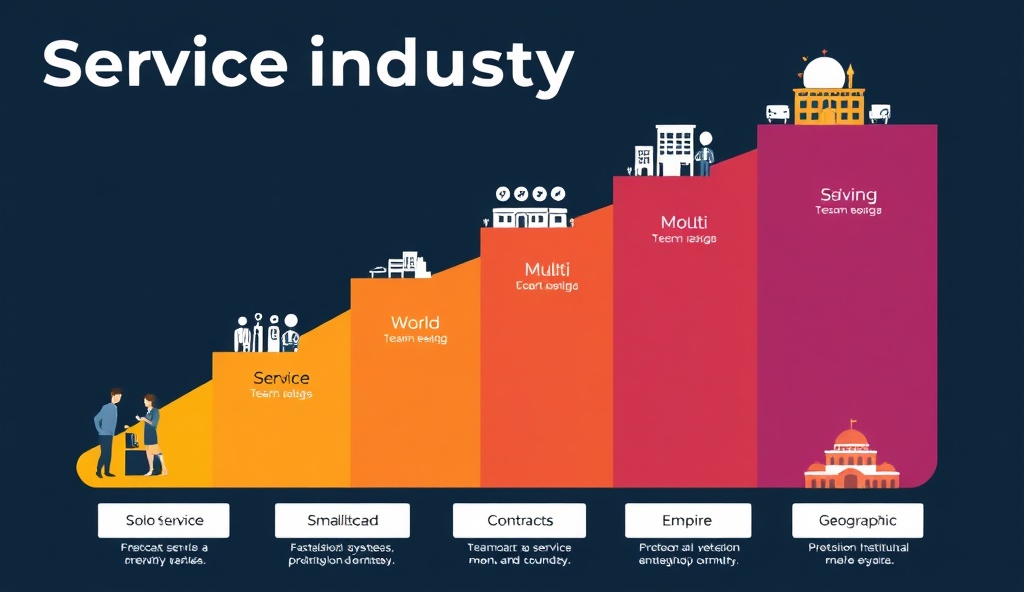
The Path to Service Empire

Service Industry Scaling Roadmap

The path from solo service provider to service empire is well-defined. Each stage requires different skills, systems, and capital deployment. Understanding this progression helps entrepreneurs make strategic decisions about growth and investment.

The Operational Challenges

Be Honest About the Challenges

Key Reality: Service business scaling is hard because it requires people, systems, and execution excellence. Most fail because they can't build sustainable teams and systems.

Trust in Service Businesses

Deliver What Is Promised

Excellence is the foundation of reputation. Always exceed expectations.

Maintain Quality

Consistent, excellent service is how you build loyalty and long-term contracts.

Treat Employees Fairly

Quality employees are your competitive advantage. Pay fairly and invest in them.

Build Long-Term Relationships

Clients should trust you as a partner, not just a vendor.

The most successful service companies are built on trust. Clients trust them with their business operations. This trust is earned through consistent excellence and honest relationships.

Wealth Comes From Systems, Not Effort

The most successful service businesses are not built on the founder's hard work alone. They are built on systems that deliver consistent results at scale. A consultant working 80 hours/week billing at R500/hour earns R2M/year. But a consulting firm with 20 consultants delivering similar value generates R40M/year in revenue.

The transition from personal effort to systems-driven business is the critical breakthrough. Those who successfully make this transition build substantial, scalable wealth. Those who don't remain trapped in the solo operator trap.

The Principle: Service wealth is built through systems that deliver consistent value without personal involvement. Build the business so it can run without you.

Key Takeaways

Ready to Explore Other Industries?

Service Industry is one path to billion-dollar wealth. Explore other industries and find the opportunity that aligns with your vision.

Explore All Guides Get in Touch