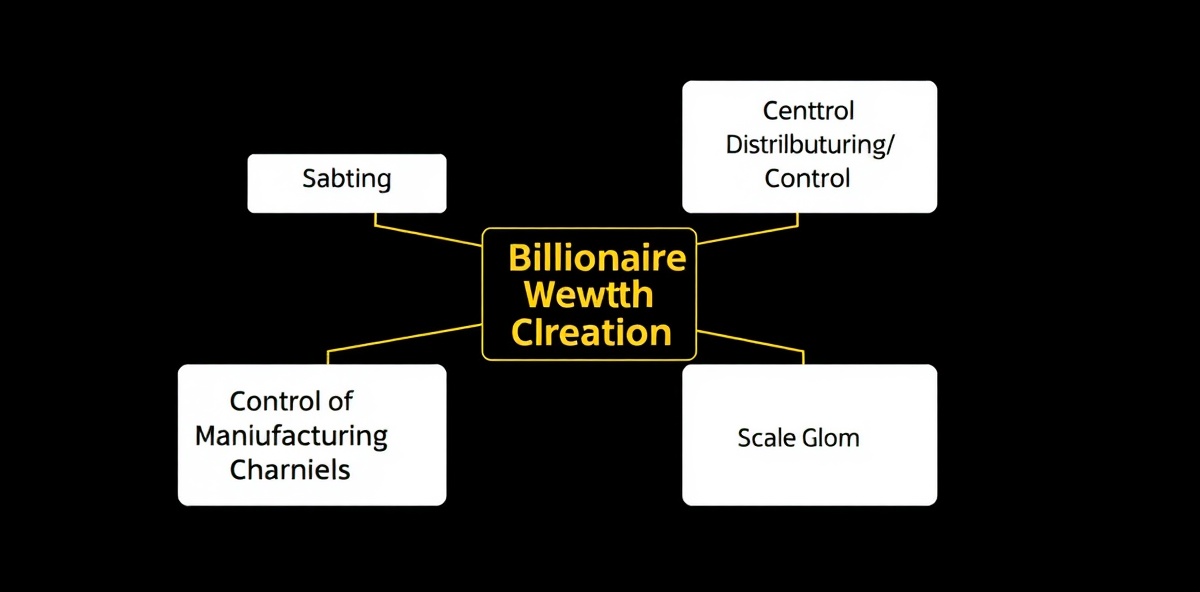
From First Product to Global Brand & Distribution Empire
Fashion and retail combine branding, product design, manufacturing, and distribution. It is one of the most scalable industries in the world — where a single product can reach millions globally.
This guide explains how wealth is built in this industry, from basic entry strategies to building global brands. Understanding the fundamentals of fashion retail is essential for anyone serious about building a multi-billion-dollar empire.
Every successful fashion business follows this flow from conception to customer:
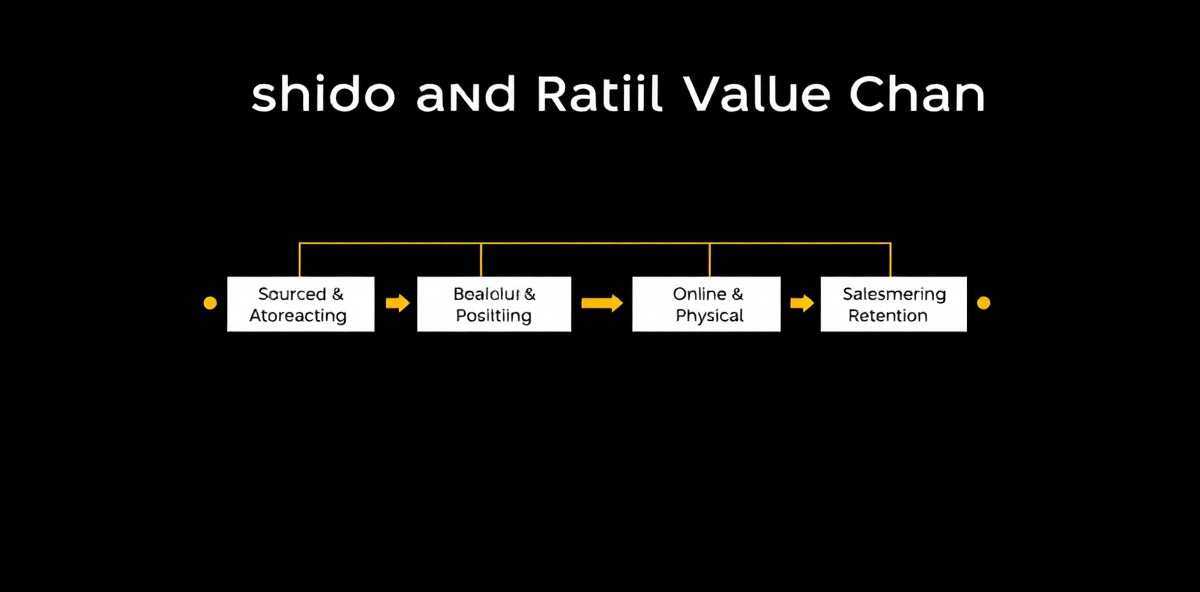
1. Product Design: Creating desirable, marketable products that solve customer needs or desires.
2. Sourcing & Manufacturing: Finding quality suppliers and producing products at scale, often internationally.
3. Branding & Positioning: Building a brand identity that resonates with target customers and commands premium pricing.
4. Distribution (Online & Physical): Getting products to customers through e-commerce, retail stores, or wholesale channels.
5. Sales & Marketing: Driving demand through social media, influencers, advertising, and strategic partnerships.
6. Customer Retention: Building loyalty through quality, service, and community engagement to drive repeat purchases.
Understanding where profit comes from is critical to building wealth in this industry:
Key Insight: The most valuable companies control both brand and distribution. This dual control creates pricing power and customer loyalty.
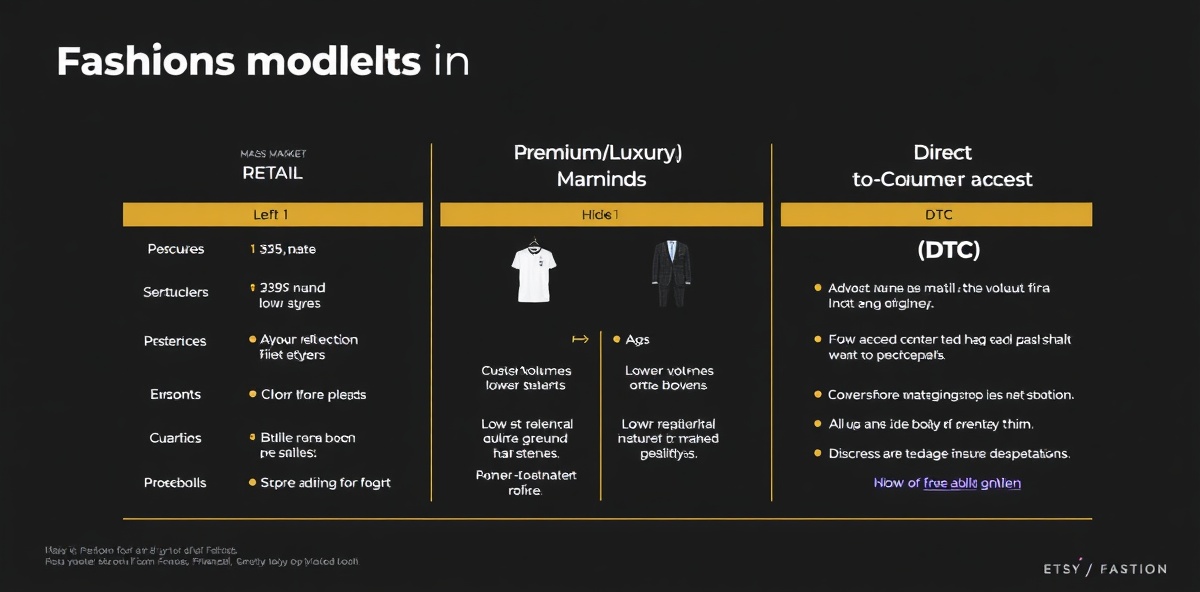
Different business models create wealth at different scales:
High volume, lower margins. Focus on accessibility and competitive pricing. Examples: H&M, Zara, Target. Scalable but lower margins per unit.
Lower volume, high margins. Focus on exclusivity, quality, and brand prestige. Examples: LVMH, Gucci, Prada. Higher profitability per unit but smaller market.
Online-first businesses with minimal physical presence. Lower overhead, global reach from day one. Examples: Shein, Fashion Nova, Boohoo.
Supplying retailers rather than selling directly. Lower margins but larger volume. Examples: wholesalers to department stores.
Different starting points lead to different wealth-building trajectories:
Goal: Learn the industry, build capital, test product-market fit.
Goal: Build your own brand, establish supply chains, scale operations.
Goal: Scale globally, control distribution, build institutional-scale business.
Starting capital determines your initial strategy. The goal is to generate returns that fund your next phase:
Strategy: Asset-light, high-margin businesses with minimal inventory risk.
Strategy: Inventory-based business with owned brand and market positioning.
Strategy: Large-scale production, retail infrastructure, global distribution.
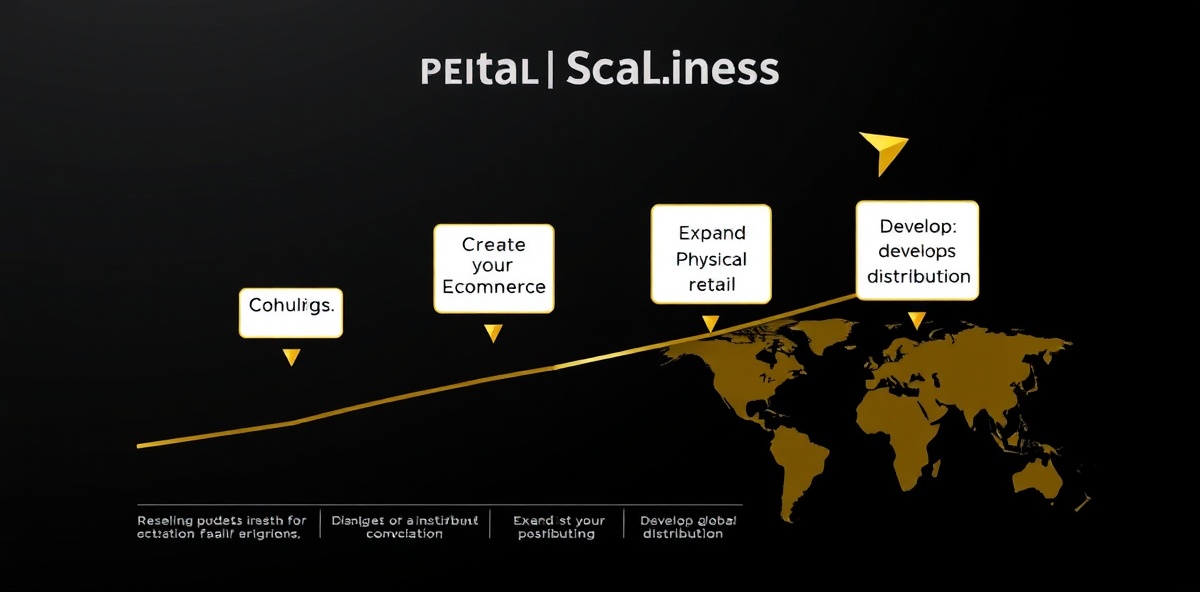
Scaling requires systematic expansion across multiple dimensions:
A strong brand is not a luxury—it is the foundation of sustainable wealth in fashion and retail.
Emotional Connection Drives Sales: Customers don't just buy products. They buy identities, status, and belonging. A strong brand creates emotional resonance that generic products cannot match.
Premium Pricing Power: Strong brands command 2-10x higher prices than no-name competitors. Nike charges 5x more than generic athletic shoes. This pricing power is pure brand value.
Brand Loyalty & Repeat Purchases: Loyal customers become repeat buyers, reducing acquisition costs and increasing lifetime value exponentially.
Examples of Brand Premium:
The internet democratized fashion retail. You no longer need a physical store or massive capital to reach global customers:
Shopify / Online Stores: Minimal setup cost (R100-R500/month). No lease, no staff, no physical limitations. Reach customers globally from day one.
Social Media Marketing: Instagram, TikTok, YouTube cost nearly nothing to start. Build audience without paying for advertising.
Influencer Partnerships: Partner with content creators to reach their audiences. Zero upfront cost with commission-based models.
Global Reach From Day One: A one-person operation in South Africa can sell to customers worldwide. Geography is no longer a limiting factor.
South Africa offers unique opportunities for fashion and retail entrepreneurs:
These business models have proven ability to scale from millions to billions in revenue:
Own brand + own distribution. Highest margins, strongest customer relationships. Examples: Glossier, Allbirds.
Sell on Takealot, Amazon, Shopee. Leverage existing traffic, minimal platform costs. Fastest path to scale.
License your brand to franchisees. Expand without capital, franchisees fund growth. Examples: Edcon.
Retail locations carrying multiple brands. Leverage foot traffic, diversify product range.
Ultra-premium positioning. Lower volume but 50-80% margins. Examples: Supreme, Yeezy, luxury watches.
The world's wealthiest fashion entrepreneurs follow these consistent principles:
Invest relentlessly in brand identity, messaging, and customer perception. Brand is your moat.
Own or tightly manage your supply chain. Vertical integration protects margins and quality.
Control how products reach customers. Direct-to-consumer eliminates middlemen and maximizes margins.
Once domestic success is proven, expand internationally. Global brands are worth billions.
Build community and loyalty. Repeat customers have 30-40% higher lifetime value than one-time buyers.
Different business models create different wealth trajectories:
How you deploy capital determines your growth trajectory:
Building wealth in fashion requires understanding the real challenges:
High Competition: Fashion is one of the easiest industries to enter and one of the hardest to dominate. Thousands of brands compete for attention.
Inventory Risk: You must carry inventory to scale. Unsold inventory destroys working capital and margins.
Changing Trends: Fashion trends shift rapidly. What's hot today may be obsolete in 6 months. Trend risk is real.
Marketing Costs: Building a brand requires consistent marketing investment. CAC (customer acquisition cost) is your primary expense.
Brand Failure Risk: A bad decision—poor quality, scandal, or failed launch—can destroy a brand overnight.
Key Lesson: Execution quality and brand strength determine success. This is not a get-rich-quick industry. It rewards disciplined, patient builders.
The highest-value fashion companies control both brand and distribution:
Owning a brand and controlling how products reach customers creates long-term value and scalable income. This is why:
The Goal: Build a brand that customers choose, distribute products that customers can easily buy, and capture the full value chain from production to customer.
Learn foundational strategies across industries. From diversification to energy infrastructure to business acquisition.