How to Become a USD Millionaire in Under 10 Years
Starting from South Africa. A proven property investment and income strategy to build massive wealth before 30.
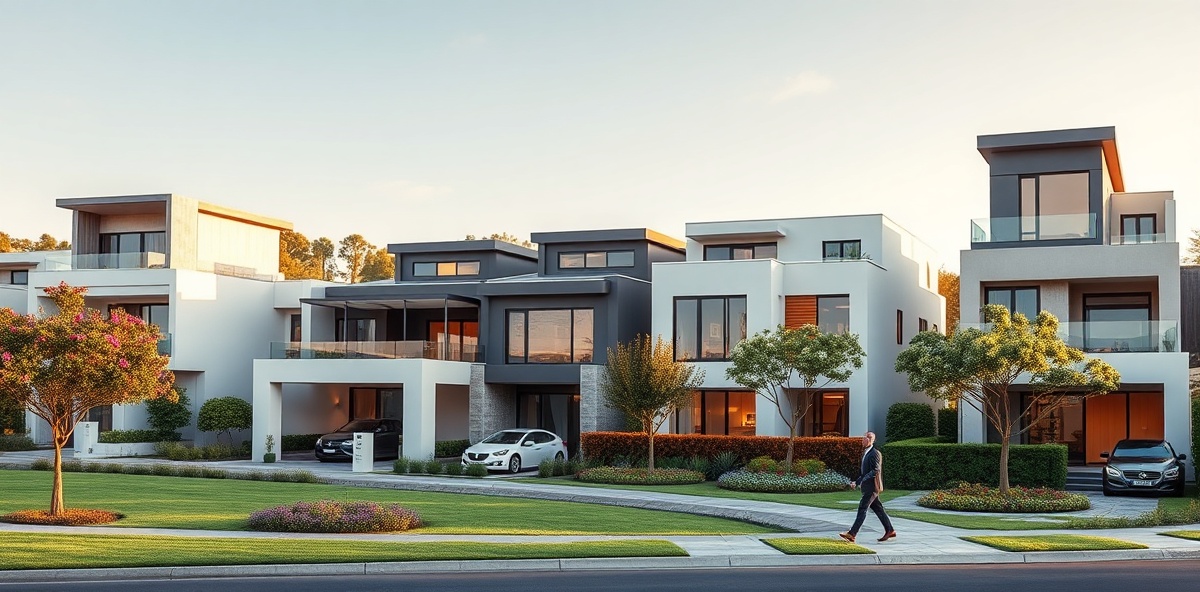
The Complete Framework
This is the exact wealth-building strategy designed to generate USD millionaire status in under 10 years, starting from South Africa. It combines three proven income streams with aggressive property acquisition and strategic refinancing to build a portfolio worth over $3.8 million USD.
The strategy is built on consistent income generation (R121,000/month), disciplined saving (R101,000/month into property), and leveraging real estate appreciation to compound wealth exponentially.
Build R121,000/Month from 3 Proven Hustles
Reselling from Global Marketplaces
R50,000/month
Source products from DHGate, AliExpress, and Alibaba, then resell on high-volume South African platforms:
- → Takealot - South Africa's largest ecommerce platform
- → Facebook Marketplace - Direct to consumer sales
- → Bidorbuy - Auction and fixed-price listings
- → Gumtree - Classified listings and bulk sales
- → Amazon - International expansion (when available)
Focus: High-margin products, consistent inventory, multiple sales channels, and customer reviews for credibility.
Uber/Bolt Taxi Driver
R36,000/month
Operate a vehicle on Uber and Bolt ride-sharing platforms for active income.
Calculation:
R100/hour × 12 hours/day × 30 days = R36,000/month
Best performed: Evenings/weekends (peak demand), or full-time if doing this exclusively. Keep detailed records for tax deductions on vehicle expenses.
Real Estate Agent (Keller Williams)
R35,000/month
Work as a licensed real estate agent and earn commission on property sales.
Calculation:
R1,000,000 in property sales/month × 5% commission × 70% split = R35,000/month
Keller Williams offers excellent training, support, and a strong network. As you gain experience and connections, commission can grow significantly. Target new homebuyers and investment property investors.
Monthly Income Summary:
R50,000 + R36,000 + R35,000 = R121,000/month
Monthly Expenses & Property Investment
Monthly Expenses
R20,000
Essential living expenses: accommodation, food, utilities, transportation, insurance
• Rent/Mortgage: R8,000
• Food & Groceries: R4,000
• Utilities: R1,500
• Transportation: R2,500
• Insurance & Other: R4,000
Property Investment
R101,000
Capital deployed monthly into property acquisitions
Available for property: R121,000 - R20,000 = R101,000
Monthly Cash Flow Summary:
Income: R121,000 | Expenses: R20,000 | Property Investment: R101,000
Buy 1 Airbnb-Ready Property Every 2 Months
Property Acquisition Model
Target Property Price: R1.21 Million
Down Payment (10%): R121,000
Bond + Transfer Fees: R81,000
Total Cash Required per Property: R202,000
With R101,000/month invested:
Since you have R101,000 monthly to invest, you can accumulate the R202,000 needed in 2 months (2 × R101,000 = R202,000).
This means buying 1 Airbnb-ready property every 2 months consistently.
Time Period
10 Years
120 months total
Properties Acquired
60 Properties
One every 2 months
Portfolio Value
R72.6M+
@R1.21M each
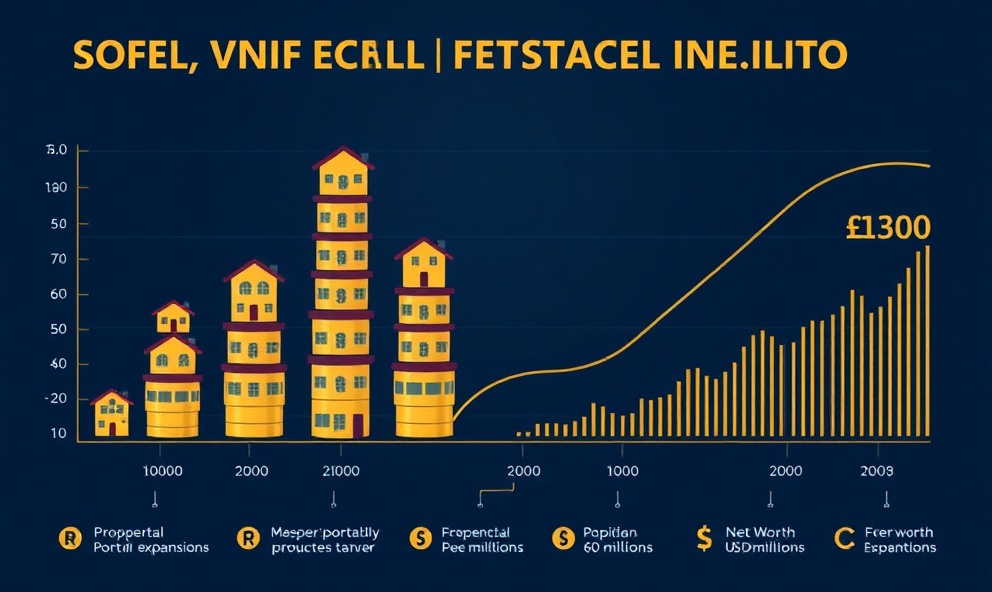
Portfolio Value in USD:
R72,600,000 ÷ R19/USD = $3.8M+
(Conversion rate: R19 per USD)
Why This Strategy Works
20% Rental Yield via Airbnb
Strong monthly cash flow from short-term rental income. Each R1.21M property can generate R200k+ annually in gross rental income, creating constant positive cash flow to reinvest.
5% Annual Appreciation
South African property typically appreciates 4-6% annually. Each property gains value year-over-year, increasing your net worth passively. 60 properties × 5% growth = significant capital gains.
5% Annual Loan Paydown
Your bond repayment builds equity automatically. Each property's loan decreases over time, and rental income pays the bond. You build equity while tenants subsidize the debt.
Tax Deductible Interest
Bond interest (~10.75%) is tax-deductible. Your property interest expense reduces your taxable income, lowering your tax burden significantly and freeing up more capital for reinvestment.
Tax Write-Offs on Expenses
Property expenses (maintenance, insurance, utilities, agent fees, marketing) are tax-deductible business expenses. This maximizes your net cash flow and reinvestment capability.
Strategic Refinancing Every 12 Months
This is the game-changer: As properties appreciate and equity builds, refinance annually to pull out gains and use them as down payments for additional properties.
Example: After 1 year, your R1.21M property is worth R1.27M (appreciation) + equity paydown = you can refinance and pull R200k+, using it for another down payment without additional cash flow.
Optional: Relist at Double Price
After improving or repositioning a property (better furnishings, better marketing, premium Airbnb listing), relist at significantly higher nightly rates or even resell at premium prices to capture immediate upside.
The 10-Year Wealth Accumulation
Properties Owned
60+
Total Portfolio Value
R72.6M+
Monthly Cash Flow
R300k-R500k+
From rental income across portfolio
USD Net Worth
$3.8M+
Achieved in 7-10 years
The Result
- ✓ 60+ income-generating properties creating passive monthly cash flow
- ✓ R300k-R500k+ monthly passive income covering and exceeding your lifestyle
- ✓ $1M+ net worth achieved in 7-10 years, even without formal education
- ✓ Multiple income streams (reselling, ride-sharing, real estate sales) supporting property investment
- ✓ Tax optimization through business structure and expense deductions
Critical Success Principles
1. Consistent Income Generation is Non-Negotiable
The R121,000/month must be earned reliably every month. This isn't optional—it's the fuel that powers the entire wealth machine. Diversify across three income streams to reduce dependency on any single source.
2. Discipline on Expenses is Critical
Keep your lifestyle to R20,000/month. Every rand spent is a rand not invested. This isn't about deprivation—it's about prioritizing your 10-year freedom over immediate lifestyle inflation.
3. Automate Property Investment
Set up automatic transfers to your property savings account. Make it mechanical. Every 2 months, you should have R202,000 ready for acquisition. No excuses, no exceptions.
4. Choose Airbnb-Ready Properties
Not all properties are equal. Select properties with strong Airbnb potential: good locations, close to attractions, modern finishes, 3-4 bedrooms for group bookings, outdoor space.
5. Refinance Strategically Every 12 Months
Don't just hold properties passively. Refinance annually to extract equity and appreciation. Use refinancing proceeds as down payments for new acquisitions, creating a compounding effect.
6. Professional Property Management
With 60 properties, professional management is essential. Hire a property manager to handle bookings, maintenance, tenant issues. Your time should focus on acquisition and strategy, not daily operations.
7. Track Everything Obsessively
Keep detailed financial records: income, expenses, property details, loan balances, rental income, capital expenditures. This data is critical for refinancing, tax planning, and strategic decisions.
8. Build Your Real Estate Network
Relationships matter: Connect with estate agents, property managers, bond brokers, contractors, other investors. A strong network accelerates deal flow and helps you negotiate better terms.
Frequently Asked Questions
Is this realistic? Can I really do this? +
Yes. This strategy is based on proven wealth-building principles: multiple income streams, consistent saving, property leverage, and refinancing. Thousands of South African investors have built wealth using similar frameworks. The discipline and execution are the limiting factors, not the strategy itself.
What about interest rates and bond costs? +
Bond interest is factored into the model. Airbnb rental income is designed to cover bond repayments, property taxes, maintenance, and generate surplus cash flow. The refinancing strategy extracts this equity to accelerate acquisition, ensuring your loan-to-value ratios remain healthy.
What if I don't have capital to start? +
This strategy specifically addresses the "zero capital" scenario. By working the three income streams first (reselling, Uber/Bolt, real estate sales), you generate the R121,000/month needed to build your first down payment. Within 2 months of consistent income, you'll have your first property. See the detailed breakdown below if you want to learn how to start with literally zero capital.
How do I manage 60 properties? +
You don't manage them personally—that's the point. Hire a professional property management company. They handle bookings, maintenance, tenant communications, and lease renewals. Your role is acquisition strategy, financial oversight, and strategic refinancing. Budget 8-10% of rental income for management fees; it's worth the delegation.
What are the risks? +
Property market downturns, extended vacancy periods, major maintenance surprises, rising interest rates, tenant issues, and economic recessions all pose risks. Mitigate by: diversifying across locations, maintaining 3-6 months of reserves, choosing properties with strong Airbnb demand, and conservative financing. Property is still one of the most stable wealth-building asset classes historically.
How do I stay disciplined for 10 years? +
This is the real challenge. Build accountability: track monthly progress, celebrate milestones (5 properties, 10 properties, R1M cash flow), connect with other investors, review your vision regularly. Remember: R300k-R500k monthly income in Year 10 versus R20k/month lifestyle expenses in Year 1. The compounding effect is real and motivating once you see it working.
Ready to Start Your Wealth Journey?
This is a complete, proven framework. The only variable is execution. Here's how to get started:
Phase 1: Build Income (Months 1-2)
- ✓ Start reselling on Takealot, Facebook, Gumtree
- ✓ Sign up with Uber/Bolt for ride-sharing
- ✓ Get licensed and start with Keller Williams real estate
- ✓ Generate first R101,000 for down payment
Phase 2: Acquire First Property (Months 3-4)
- ✓ Scout and identify Airbnb-ready properties
- ✓ Apply for bond pre-approval
- ✓ Complete purchase and transfer
- ✓ List on Airbnb and begin generating rental income
Phase 3: Scale Acquisition (Months 5+)
- ✓ Repeat every 2 months: accumulate R202k and buy next property
- ✓ After 12 months: refinance first property and extract equity
- ✓ Hire professional property management at 10+ properties
- ✓ Continue acquiring every 2 months with consistency
Phase 4: Wealth Realization (Years 3-10)
- ✓ Monitor portfolio performance: occupation rates, rental growth
- ✓ Refinance annually to optimize equity extraction
- ✓ Continue acquisition rhythm until target portfolio size
- ✓ Achieve R300k-R500k+ monthly passive income
The Most Important Step:
Start now. Don't wait for the perfect market, the perfect property, or perfect financial conditions. The time to begin is today. Begin with one income stream, generate R121,000 monthly, buy your first property, and let the compounding begin. Every month you delay is a month of lost appreciation and missed acquisition.
The Full System: From R300,000 to Multi-Millions
If you want the highest achievable CAGR that you can actually sustain, you need three things working together:
A Resilient, High-Quality Portfolio
What you own
A Repeatable Process
How you behave
A Reliable Cashflow Engine
How you fund it monthly
Most people obsess over #1 and ignore #2 and #3. That's why results break down. Below is the complete, integrated system.
1) The Portfolio: Built for High CAGR and Survivability
Allocation (Target Weights)
Core Compounders — 55%
- • Microsoft (15%)
- • Alphabet (12%)
- • Amazon (10%)
- • Apple (8%)
- • Berkshire Hathaway (10%)
AI & Infrastructure — 25%
- • NVIDIA (15%)
- • ASML (10%)
Defensive Stability — 10%
- • Visa (5%)
- • Johnson & Johnson (5%)
Controlled Upside — 5%
- • CrowdStrike (5%)
Crypto (Tight) — 5%
- • Bitcoin (3%)
- • Ethereum (2%)
Why These Exact Categories?
Core = Durability + Reinvestment
Generate huge free cash flow, reinvest into adjacent markets (AI, cloud, devices, ads), have network effects/ecosystems. This sustains double-digit CAGR over long periods.
AI Layer = Growth Multiplier
Chips + lithography are bottlenecks of the entire AI stack. If AI adoption continues, this segment disproportionately benefits and pulls the portfolio's CAGR upward.
Defensive = Volatility Control
Payments + healthcare don't collapse easily. They stabilize the portfolio during downturns and prevent panic-selling at the worst time.
Crypto = Controlled Asymmetry
Small allocation, large upside potential. Strictly limited to avoid portfolio damage while introducing optionality without fragility.
2) Exact Capital Deployment
Initial R300,000 (One-Time)
| Microsoft | R45,000 |
| Alphabet | R36,000 |
| Amazon | R30,000 |
| Apple | R24,000 |
| Berkshire Hathaway | R30,000 |
| NVIDIA | R45,000 |
| ASML | R30,000 |
| Visa | R15,000 |
| Johnson & Johnson | R15,000 |
| CrowdStrike | R15,000 |
| Bitcoin | R9,000 |
| Ethereum | R6,000 |
| TOTAL | R300,000 |
Monthly R30,000 (Repeat Forever)
| Microsoft | R4,500 |
| Alphabet | R3,600 |
| Amazon | R3,000 |
| Apple | R2,400 |
| Berkshire Hathaway | R3,000 |
| NVIDIA | R4,500 |
| ASML | R3,000 |
| Visa | R1,500 |
| Johnson & Johnson | R1,500 |
| CrowdStrike | R1,500 |
| Bitcoin | R900 |
| Ethereum | R600 |
| TOTAL | R30,000 |
Deployment timing: Initial capital split over 4–6 weeks. Monthly investments happen immediately (no timing).
3) The Process (Where CAGR Is Won or Lost)
A. Rebalancing (Strict)
- • Every 6 months only
- • Only if position exceeds 25% OR thesis breaks
- • Otherwise: do nothing
B. Behavioural Discipline
You will experience 20–40% drawdowns, crypto volatility, and negative years.
Rules:
- ✓ No panic selling
- ✓ No chasing trends
- ✓ No deviation from structure
C. Let Winners Compound
Your biggest returns will come from a few positions becoming dominant.
Do not:
- ✗ Constantly trim winners
- ✗ Reset your portfolio
4) The Math of Scaling
Assumptions
- → Starting: R300,000
- → Monthly: R30,000
- → CAGR: ~20%
~R3M
5 years
~R10M+
10 years
~R20M–R25M+
15 years
The key insight: Contributions + compounding = exponential acceleration
5) The Cashflow Engine
How to Generate R30,000/Month
This is the most important section. Without income → no scale. With income → compounding becomes inevitable.
A. Phase 1: Get to R10k–R30k FAST (0–3 months)
Method: High-Income Skill
Focus on:
- • Sales (closing deals)
- • Freelancing (design, writing, ads)
- • Outreach-based services
Execution
Contact 50–100 prospects/day. Offer a clear service (e.g. lead generation, ads, content).
Target
3 clients × R10,000 = R30,000. Speed matters more than perfection.
B. Phase 2: Stabilise R30k–R80k (3–12 months)
Turn income into a system:
- • Retainers (monthly clients)
- • Recurring services
- • Delegation (hire help)
Now you're not just earning—you're operating a cashflow machine.
C. Phase 3: Scale Beyond R100k (12–36 months)
Leverage:
- • E-commerce (Takealot/Amazon)
- • Digital products
- • Platforms (education vision)
Now income becomes less time-dependent and more scalable.
6) The Integrated System
Income
feeds
Investments
grow
Net Worth
enables larger opportunities
Common Failure Points
✗ Over-diversifying
✗ Stopping contributions
✗ Switching strategies
✗ Chasing hype
✗ Selling during downturns
7) The Real Edge
The edge is not intelligence. The edge is consistency at scale over time.
8) Final Perspective
You are not just buying stocks or investing monthly.
You are building a structured, repeatable wealth system designed to compound into multi-millions.
Bottom Line
If you:
- ✓ Follow the allocation
- ✓ Invest R30,000/month
- ✓ Build and scale your income
- ✓ Stay disciplined for 10–15 years
👉 The outcome becomes extremely hard to avoid.
The Best-Selling Product System
You want a repeatable system that produces best-selling products—not a one-time launch. Below is the end-to-end operating method used by winning brands: research → design → sampling → production → launch → scale → systemize.
Master Method (One Sentence): Identify what already sells → engineer a superior version → launch with demand → scale only what proves itself.
1) Demand Engineering (Week 1–2)
Map the Winners
Study proven brands: Fear of God, Represent, ZARA
Extract:
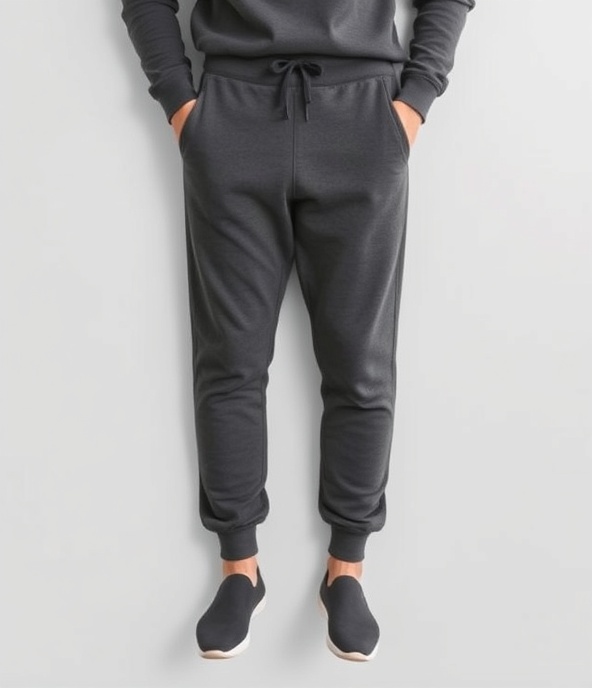
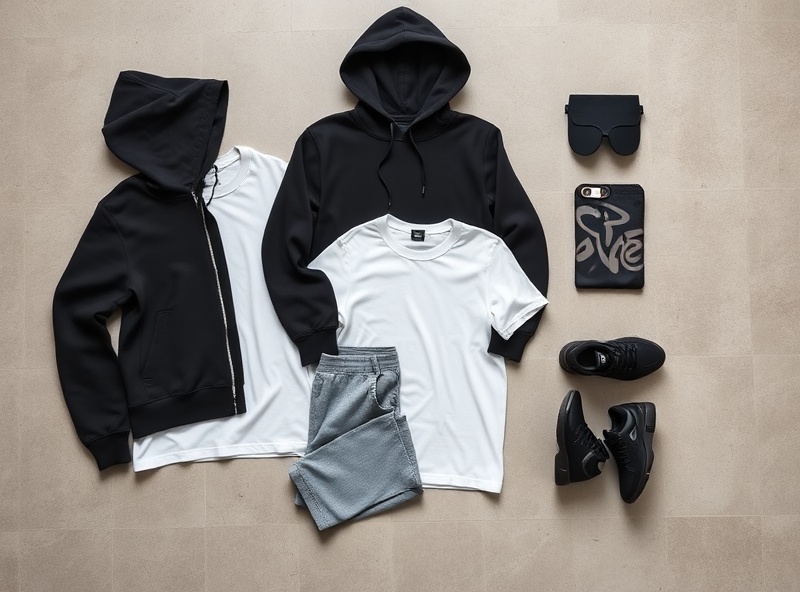
- • Fits (oversized tees, boxy hoodies, tapered joggers)
- • Colors (black, white, grey, beige)
- • Fabrics (heavyweight cotton, brushed fleece)
- • Price bands (mid–premium)
Validate With Real Signals
- • TikTok/Instagram: search "outfit ideas", "streetwear fits"
- • Marketplaces: best-sellers on Takealot
- • Google Trends: confirm steady demand (hoodies, sneakers)
Define Your "Right to Win"
- • Clean, minimal luxury aesthetic
- • Consistent neutral palette
- • Strong lifestyle positioning (discipline, wealth, control)
2) Product Design System (Week 2–3)
The 5 Filters (Must Pass All)
- 1. Looks expensive
- 2. Easy to style (fits multiple outfits)
- 3. Photographs well
- 4. Works in neutral colors
- 5. Feels premium in-hand
First SKU Set (Tight)
- • Hoodie (hero)
- • T-shirt
- • Jogger
- • Sneaker (1 model)
- • Cap + socks (add-ons)
Technical Specs (Example)
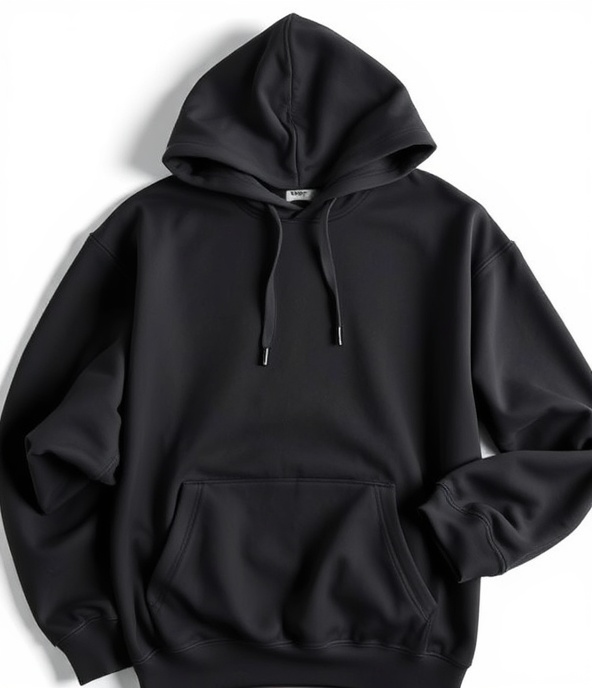
- • Hoodie: 380–450 GSM cotton fleece, dropped shoulders, ribbed cuffs
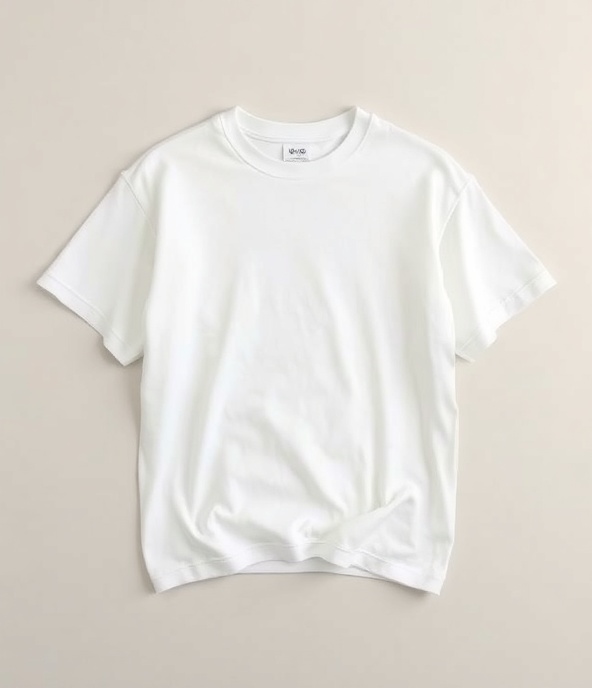
- • T-shirt: 220–260 GSM, boxy cut, tight neckline
- • Jogger: 320–380 GSM, tapered ankle, structured waistband
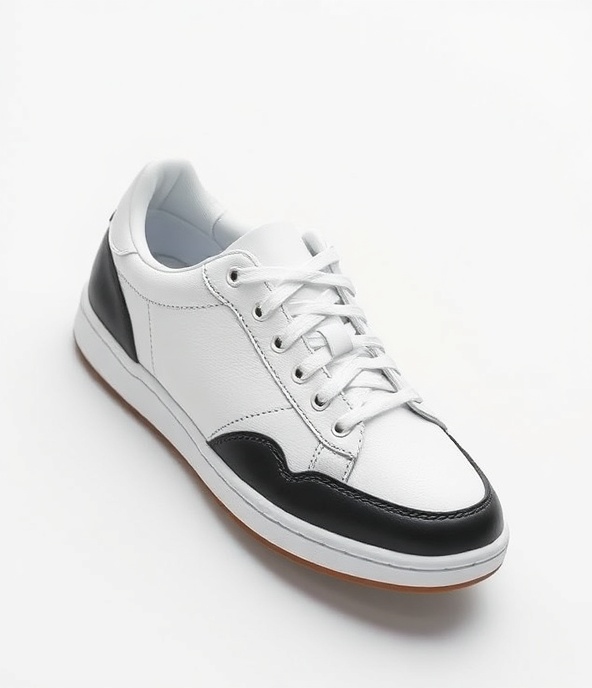
- • Sneaker: clean silhouette, leather/synthetic upper, rubber sole
Visual Target (Product Examples)

3) Sampling Protocol (Week 3–5)
Never Skip This
Order 2–3 samples per product
Fit Testing
- • Try multiple sizes on different body types
- • Check drape, sleeve length, shoulder drop
Quality Checklist
- • Stitch density & consistency
- • Fabric weight (GSM confirmed)
- • Shrinkage after wash
- • Color consistency
4) Production & Cost Control (Week 5–8)
Supplier Split
- • Clothing: local SA manufacturers (control + speed)
- • Footwear: private label (China; low MOQ)
Order Structure (R300K Budget)
- • Clothing: ~R120K
- • Footwear: ~R70K
- • Accessories: ~R30K
- • Leaves margin for marketing + ops
Unit Economics Targets
Cost ≤ 30–35% of retail | Gross margin ≥ 65%
Example:
- • Hoodie: R200 → R900
- • Sneaker: R350 → R1,200
5) Brand System (Parallel)
Identity
- • Palette: black, white, charcoal, beige
- • Logo: clean typography (RK or full name)
- • Tone: quiet wealth, discipline
Packaging (Matters)
- • Matte black mailers/boxes
- • Branded tissue + thank-you card
- • Clean, premium feel
6) Store Build & Content Engine
Platform: Shopify
(Fast, scalable)
- • Homepage: strong lifestyle visuals, minimal text
- • Product pages: 5–8 images, fit details, size guide
- • Bundles: pre-built (increase AOV)
- • Essentials: mobile-first, fast checkout, clear delivery times
Content Output
2–3 TikToks/day | 1–2 Instagram posts/day
Content Buckets:
- 1. Full outfits (top + bottom + shoes)
- 2. Close-up product shots (fabric, fit)
- 3. Lifestyle (cars, discipline, routine)
- 4. "How to dress like…"
- 5. Before/after transformations
7) Launch Method & Scaling
Launch Day (Drop 1)
- • Pre-launch (7–10 days): teasers, countdowns, behind-the-scenes
- • Launch day: limited quantities (scarcity), bundle offers live
- • First 72 hours: push organic content hard, start retargeting ads
Paid Ads System
Phase 1 (Testing): R10K–R20K
- • Test 5–10 creatives (your best content)
- • Identify winners (low CPA, high CTR)
Phase 2 (Scaling):
- • Double down on top creatives
- • Retarget: add-to-cart, view content
- • Expand to cold audiences
8) Sales Mechanics (How You Become "Best Selling")
Bundle Strategy (Core)
- • Hoodie + Jogger set
- • Full outfit (top + bottom + sneakers)
- • Starter pack (tee + cap + socks)
Pricing Psychology
- • Anchor with premium (hoodie/sneaker)
- • Make add-ons feel "cheap" in comparison
AOV Target: R1,000–R2,500+
9) Data Loop & Scaling (Weekly)
Track
- • Conversion rate (target 2–4%+)
- • AOV
- • CAC (customer acquisition cost)
- • Sell-through rate per SKU
- • Return rate (<10%)
Decision Rules
- Sell-through >70% fast? → Restock & scale ads
- Slow mover? → Discount/clear, don't reorder
- High returns? → Fix sizing/quality immediately
10) 90-Day Execution Plan
Days 1–14
Research + design specs, contact suppliers, order samples
Days 15–35
Finalize samples, place bulk order, build store, start content
Days 36–60
Receive inventory, shoot content, pre-launch marketing
Days 60–90
Launch, push content + ads, analyze data, plan restock
11) Financial Outcome (If Executed)
Drop 1 (R300K)
R600K–R800K Revenue
Gross profit: R300K–R450K
Months 3–6
R200K–R400K/month
Months 12–24
R1M+/month
→ R10M+/year
🏁 Final Playbook
- 1. Engineer demand (don't guess)
- 2. Launch tight (few SKUs, high quality)
- 3. Market daily (content + influencers)
- 4. Sell bundles (increase AOV)
- 5. Scale winners only (data-driven)
- 6. Reinvest aggressively (inventory + ads)
Execute this loop relentlessly, and your store doesn't just launch—it produces best sellers on repeat.
Want Deep-Dive Strategy for Zero Capital?
If you're starting from zero capital and want a detailed breakdown of how to bootstrap your first R121,000/month income streams, let's discuss your specific situation.
Comment "PROPERTY" or reach out directly to explore:
- → Your specific income situation and starting point
- → Bootstrapping strategies for each income stream
- → Property selection criteria for your market
- → Financing and refinancing strategies