From Small Connectivity Services to Global Communication Infrastructure
Telecommunications connects the modern world. Every call, message, and data transfer relies on telecom infrastructure. Because of its essential nature and recurring revenue model, telecom is one of the most powerful wealth-building industries globally.
The telecommunications industry is one of the most essential and profitable sectors in the global economy. It includes everything from mobile networks to internet service providers to infrastructure operators that keep the world connected.
Telecom generates massive wealth because it combines critical infrastructure ownership with recurring revenue from millions of subscribers. A mobile operator with 10 million customers paying R300/month generates R3B in annual revenue with relatively low marginal costs.
This guide explains how wealth is built in telecom—step by step, from small connectivity services to global telecommunications empires.
Telecommunications involves transmitting data, voice, and media across networks. The defining characteristic is recurring revenue from millions of customers relying on critical infrastructure.
Key Insight: Telecom is not just service — it is infrastructure + recurring revenue. A telecom operator earning R2B annually from recurring subscriptions is building institutional-scale wealth.
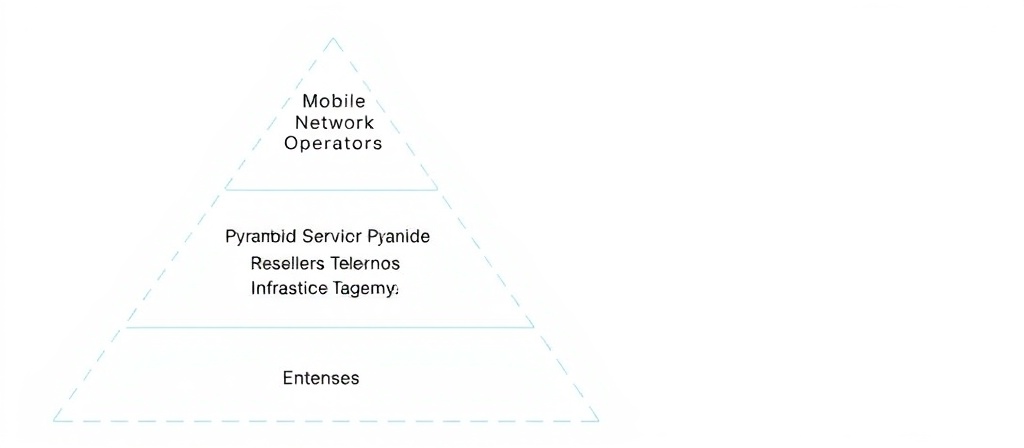
Key Lesson: Owning infrastructure creates the most long-term value. Infrastructure ownership provides pricing power and recurring revenue. Service resellers have thinner margins and higher churn.
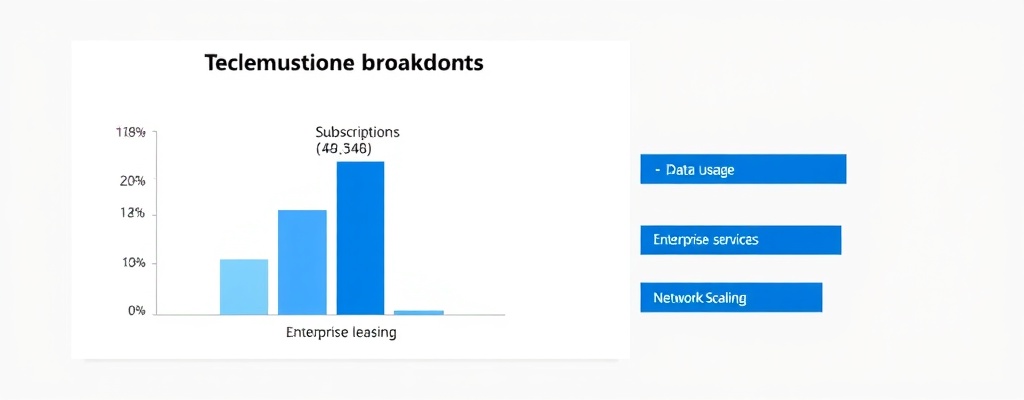
Key Insight: Recurring revenue is the core of telecom wealth. Monthly subscriptions create predictable income streams. A telecom operator with R1B in annual recurring revenue has massive valuation and stability.
Providing cellular services to millions of customers. Highest margins and customer lifetime value.
Delivering broadband connectivity. Growing market with strong recurring revenue.
Owning towers, fiber, or network assets. Leased to operators for steady revenue.
Using existing networks for resale. Lower margins, higher competition, scalable rapidly.
Business communication systems and solutions. Premium pricing, long-term contracts.
Key Lesson: Scale comes from network expansion + recurring customers. A telecom operator with 100K subscribers has limited scale. An operator with 10M subscribers at R250/month generates R2.5B in recurring annual revenue.
A telecom company with R1B in annual recurring revenue is valued at R5B+ (5x multiple). A telecom company with R1B in one-time revenue is worth far less. This is why recurring revenue models create the most institutional wealth.
Next-generation mobile technology enabling higher speeds and lower latency for enterprise and consumer use.
High-speed fiber optic networks replacing copper for broadband delivery with superior performance.
Global coverage through satellite networks for remote areas and global connectivity.
Cloud computing and data center infrastructure powering digital services globally.
Telecom is evolving rapidly with new technologies and business models. Companies investing in modern infrastructure and next-generation technologies position themselves for long-term growth and competitive advantage.
South Africa presents significant telecom opportunity. Growing demand for connectivity, fiber expansion, and underserved markets create pathways for telecom entrepreneurs. Companies positioning themselves for fiber growth and enterprise solutions can build substantial businesses.
Internet service providers with fiber or wireless networks serving residential and business customers.
Mobile network operators providing cellular services with recurring subscriber revenue.
Companies building and operating fiber infrastructure for broadband delivery.
Companies owning cell towers and infrastructure leased to mobile operators.
Business telecom services for corporations with premium pricing and long-term contracts.
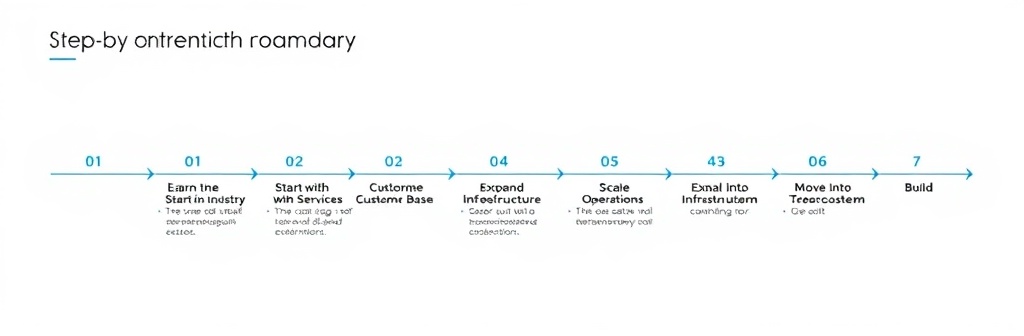
Build or acquire network infrastructure (towers, fiber, equipment) that generates long-term value.
Deploy networks to new regions and markets to capture growing demand.
Invest in network performance, reliability, and customer experience to reduce churn.
Redeploy subscriber revenue into network expansion and service improvements.
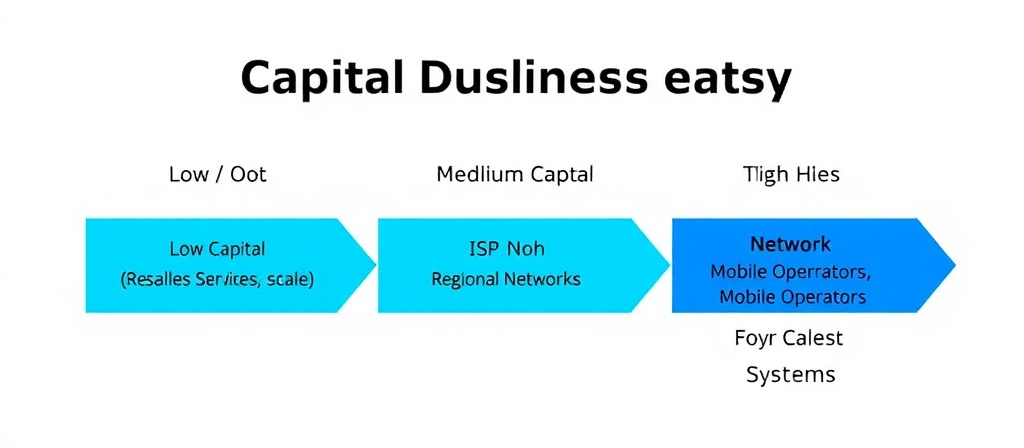
Key Principle: Capital deployment in telecom should increase network reach, subscriber growth, or infrastructure control. Each investment should contribute to building dominant market position.
Key Reality: Telecom requires significant capital and patience. But successful operators generate billions in recurring revenue that compounds for decades.
Protect customer data and privacy. Trust is foundation of telecom relationships.
Transparent pricing and fair service terms build long-term customer loyalty.
High-quality, reliable networks are essential infrastructure for modern society.
Compliance with telecom regulations and licensing requirements ensures legitimacy.
The most successful telecom operators are built on customer trust. Companies that provide reliable service, protect privacy, and operate with integrity build loyal customer bases and sustainable long-term value.
Telecom businesses generate long-term wealth by owning critical infrastructure and maintaining strong, recurring customer relationships. A telecom operator with 5M customers paying R300/month generates R1.8B in annual recurring revenue.
The pathway to billionaire wealth in telecom is clear: build or acquire network infrastructure, attract large subscriber bases, reduce churn through service quality, and reinvest recurring revenue into expansion. This formula, executed at scale across decades, creates billion-dollar value.
The Principle: Telecom wealth is built through infrastructure ownership and recurring customer revenue. Those who own the networks and serve the most customers accumulate the greatest fortunes.
Telecommunications is one path to billion-dollar wealth. Explore other industries and find the opportunity that aligns with your vision.
Explore All Guides Get in Touch