From Local Sports Ventures to Global Sports Empires
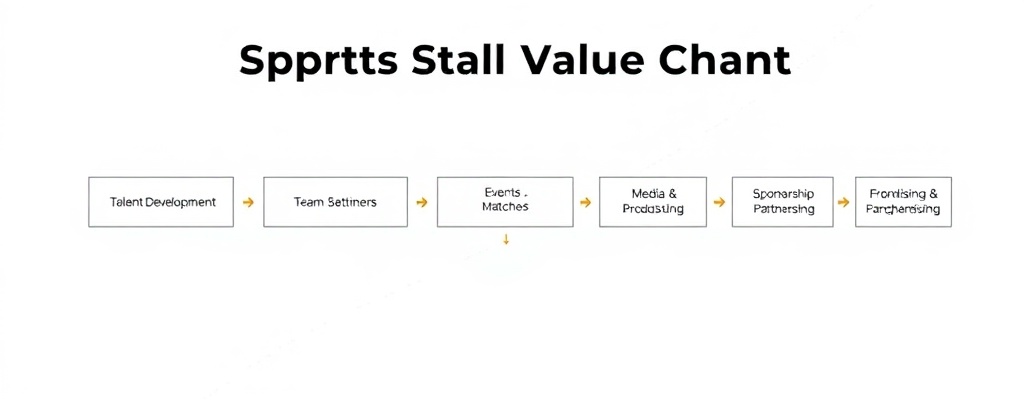
Sports is a global industry combining entertainment, media, branding, and business. It generates revenue through broadcasting rights, sponsorships, merchandise, and events. At scale, sports becomes a powerful platform for building large, diversified businesses.
The sports industry is one of the most valuable sectors in the global economy, valued at over $600 billion annually. From professional teams to media networks to sponsorship platforms, sports combines passion, global reach, and multiple revenue streams.
The key insight: The biggest money in sports is not made by athletes—it is made by owners, operators, and investors who control teams, leagues, media rights, and distribution networks.
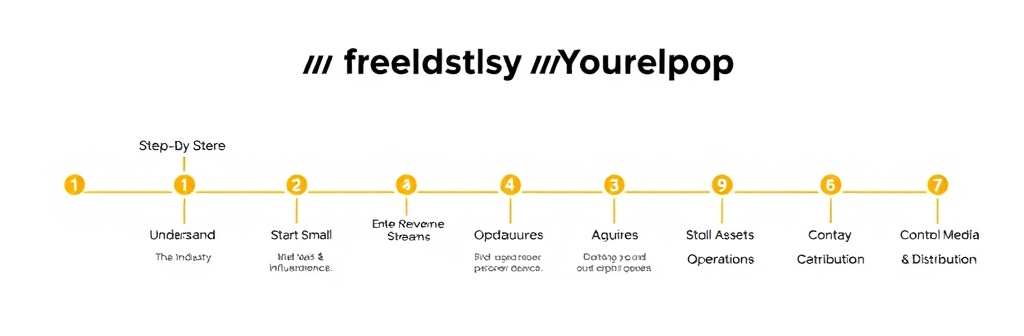
This guide explains how wealth is built in sports—step by step, from small local ventures to global sports empires.
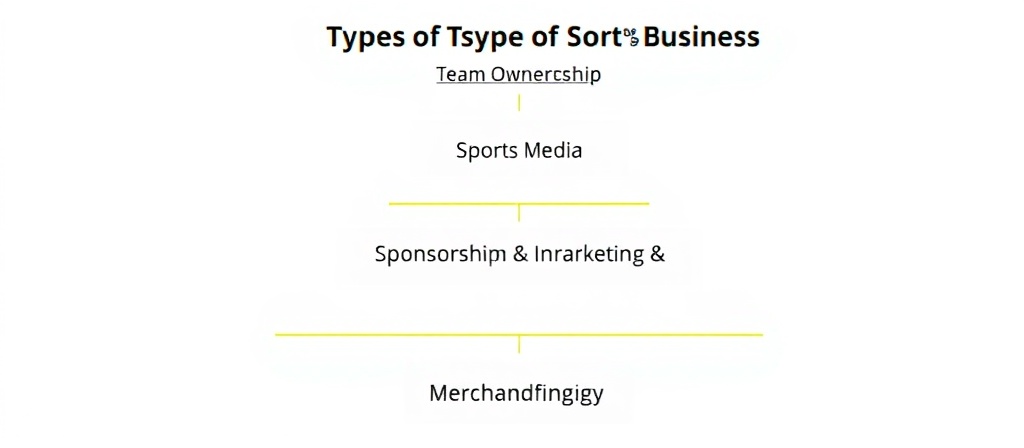
The sports industry extends far beyond the games themselves. It encompasses multiple sectors that collectively generate massive revenue and value:
Key Insight: The biggest money is not made by athletes — it is made by owners, operators, and investors. An athlete earning R10M/year is working hard. A team owner earning R100M/year from multiple revenue streams is building wealth systematically.
Key Lesson: Control of media and distribution increases value significantly. A team generates value from competition. But control of broadcasting rights and media channels multiplies that value across global audiences.
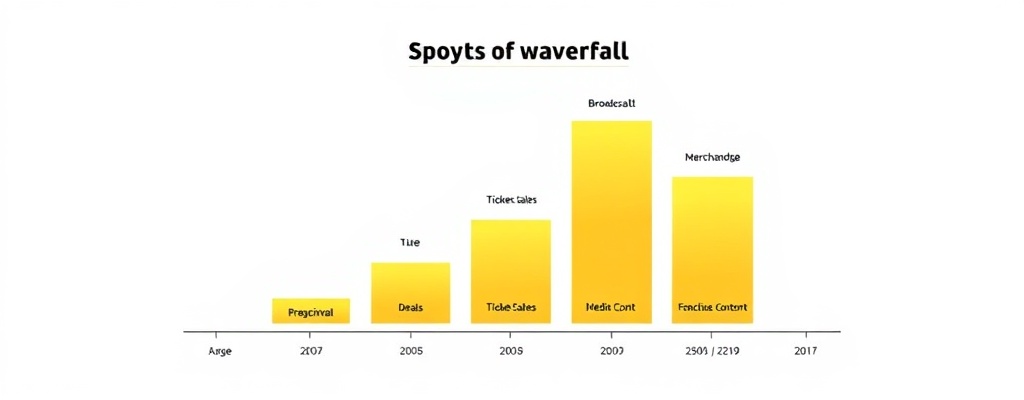
Key Insight: The largest fortunes come from ownership and media rights, not participation. Control of broadcasting rights and team ownership creates exponential value.
Direct ownership of professional clubs and franchises. Primary value from competition, sponsorship, and media rights.
Broadcasting networks and content platforms. Control audience access and monetize through advertising and subscriptions.
Brand partnerships and marketing agencies connecting corporations with sports audiences.
Stadiums, training centers, and sports facilities. Generate revenue from events, leasing, and naming rights.
Production and distribution of sports apparel, equipment, and fan products.
Analytics platforms, performance tracking, and digital solutions for teams and fans.
Key Lesson: Scale comes from audience growth + media control + sponsorship expansion. A single team earns moderate revenue. A diversified sports portfolio with global reach generates exponential value.
Broadcasting rights are often the single largest revenue driver in professional sports. Global media networks compete fiercely for exclusive rights to broadcast major sporting events.
Key Insight: Media rights are often the largest revenue driver. Control of broadcasting creates exponential value. A team generating R100M from ticket sales and sponsorship can generate R500M+ from broadcasting rights.
Passionate fans create consistent revenue through tickets, merchandise, and media consumption.
Strong brands command premium pricing for sponsorships, merchandise, and media rights.
International audience expands revenue opportunities across multiple markets and currencies.
Large fanbases amplify sponsorship and advertising value through earned media and engagement.
Teams and sports properties with large, engaged fanbases are significantly more valuable than those with smaller audiences. A franchise with 10 million passionate fans can command higher sponsorship fees, media rights values, and merchandise sales than a franchise with 1 million fans.
South Africa presents significant opportunity for sports entrepreneurs. Strong sports culture, existing professional infrastructure, and undermonetized assets create pathways for building valuable sports businesses at both local and regional scales.
Professional teams generating revenue from multiple streams: broadcasting, sponsorship, ticket sales, merchandise.
Broadcasting platforms and content distribution networks monetizing sports content across multiple channels.
Development centers producing athlete talent while generating revenue from training programs and player development.
Promotion and management of major sporting events generating revenue from sponsorship, media rights, and ticket sales.
Marketing intermediaries connecting brands with sports properties and audiences.
Invest in team ownership, franchises, or broadcasting rights with strong market positions.
Marketing and fan engagement initiatives that increase audience and fanbase value.
Control distribution channels and broadcasting platforms for direct audience monetization.
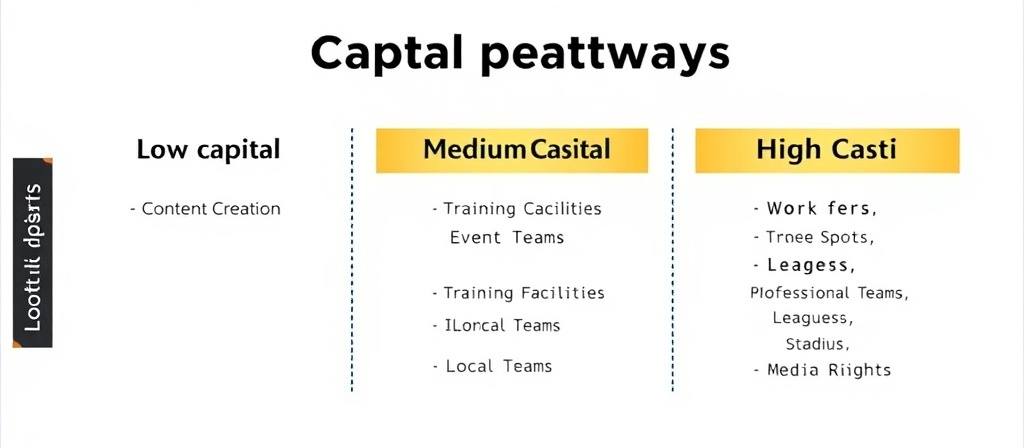
World-class facilities and training centers that increase team value and fan experience.
Key Principle: Capital deployment in sports should increase audience reach, media control, or asset value. Each investment should contribute to building a diversified, globally-scaled sports portfolio.
Key Reality: Sports business success requires capital, patience, and strategic positioning. Most opportunities exist at the ownership, media, and sponsorship level—not at the athlete level.
Ensure competitive integrity and fair play. Sports thrive when competition is perceived as legitimate.
Clear governance and financial transparency in team operations and league relationships.
Ensure professional standards for athlete safety, compensation, and development.
Long-term stewardship of sports properties for sustainability and fan trust.
The most successful and valuable sports franchises are built on integrity, fair competition, and responsible ownership. Fan trust is the foundation of long-term value in sports.
Owning sports assets and controlling audience engagement creates scalable, long-term wealth. An athlete earning peak career money for 10-15 years earns a significant amount. But a team owner earning from multiple revenue streams over decades builds substantially greater wealth.
The pathway to billionaire wealth in sports is clear: acquire valuable assets, expand audiences, control distribution, and diversify revenue streams across geographies and sports. This creates exponential value over decades of compounding growth.
The Principle: Sports wealth is built through asset ownership, audience control, and revenue diversification. Those who own teams, control media, and build global fanbases accumulate the greatest fortunes.
Sports Industry is one path to billion-dollar wealth. Explore other industries and find the opportunity that aligns with your vision.
Explore All Guides Get in Touch