The Complete Guide to Building Billion-Dollar Wealth in the Logistics Industry
How to Build, Scale, and Dominate Global Supply Chains
Every product in the world moves through a logistics system. From raw materials to finished goods, logistics connects production to consumption. Because of this position, logistics businesses can scale massively and generate consistent, high-volume revenue.
Logistics is the nervous system of modern commerce. Every transaction, every delivery, every supply chain depends on efficient logistics operations. This creates a unique wealth-building opportunity: logistics businesses are fundamental to how the global economy functions.
Unlike discretionary consumer services, logistics is essential and non-negotiable. Companies must move goods efficiently or face operational failure. This creates stable demand and recurring revenue for well-operated logistics businesses.
This industry creates billionaires through:
- Essential infrastructure role (non-discretionary demand)
- Recurring revenue from long-term contracts
- Multiple service lines (transport, warehousing, fulfillment, international)
- Massive scalability through network expansion
- High barriers to entry (infrastructure, capital, relationships)
- Technology leverage and automation benefits
Logistics is the coordination of movement, storage, and delivery of goods. It is a complete system, not just transportation.
Key Components of Logistics:
- Transportation: Road, rail, sea, air transport of goods
- Warehousing: Storage, inventory management, and control
- Inventory Management: Tracking and optimization of inventory levels
- Distribution Systems: Networks connecting suppliers to customers
- Supply Chain Coordination: Planning and orchestration of entire networks
Key insight: Logistics is not just transport — it is a system of movement and control that creates value at every stage.
Understanding the logistics value chain reveals where profit is created and where opportunities exist:
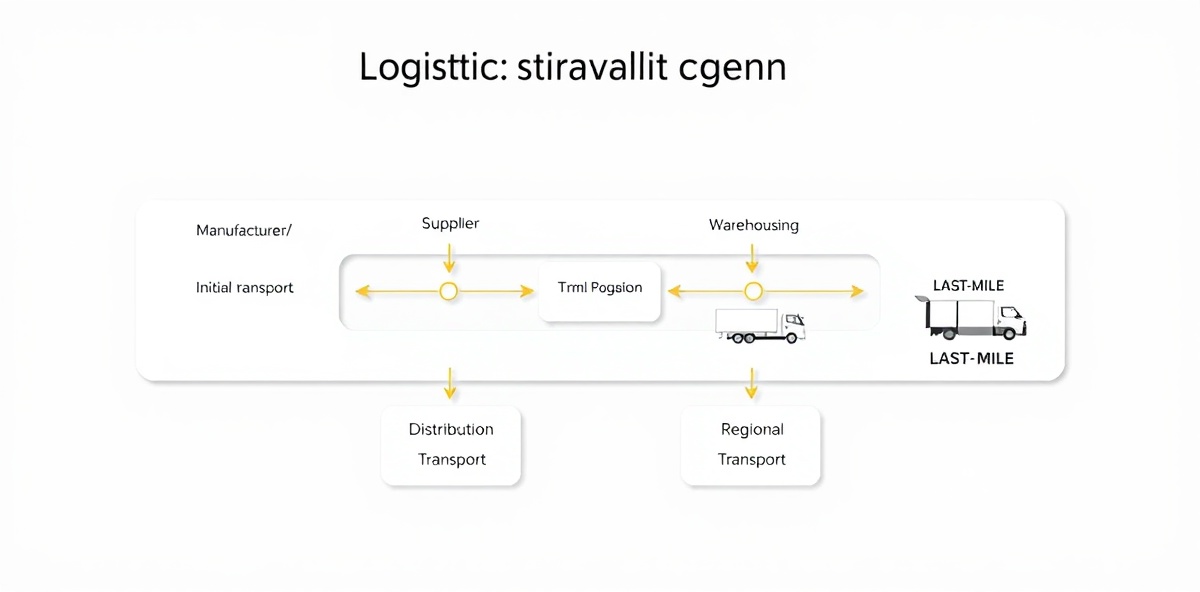
Each Stage Creates Opportunity:
- Manufacturer/Supplier: Origins of goods and supply
- Initial Transport: Moving goods from production to first aggregation point
- Warehousing: Storage and inventory management at scale
- Distribution Centers: Aggregation and redistribution hubs
- Regional Transport: Movement to regional distribution points
- Final Delivery (Last-Mile): Direct customer delivery — highest cost, highest value
Lesson: Each step is a business opportunity. The most valuable logistics companies own multiple steps in the chain.
Volume
Number of shipments and packages handled. Volume growth directly drives revenue.
Efficiency
Cost per delivery. Better efficiency increases margins on same volume.
Fleet Utilization
Percentage of capacity used. High utilization means fewer empty runs and better margins.
Warehousing Fees
Storage and handling charges. Recurring revenue from warehouse customers.
Long-Term Contracts
Guaranteed volume contracts with fixed rates. Create revenue stability and higher valuation.
Value-Added Services
Packaging, labeling, returns handling. Higher margins than basic transport.
Key insight: The biggest profits come from systems + scale, not single deliveries.
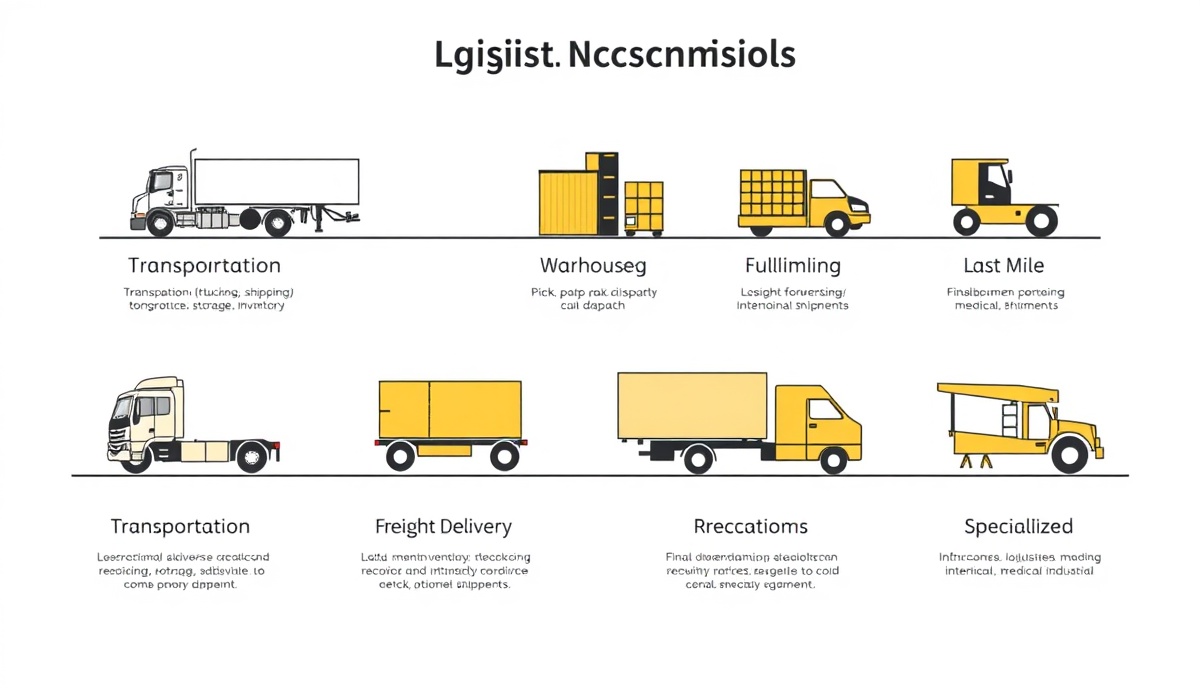
Transportation & Trucking
Road, rail, air, and sea transport. Basic logistics service with volume economics.
Warehousing & Storage
Storage and inventory control. Recurring revenue from storage fees and services.
Fulfillment Services
Pick, pack, and dispatch. Specializes in e-commerce order fulfillment with high value-add.
Last-Mile Delivery
Final customer delivery. Highest cost but most valuable service in logistics chain.
Freight Forwarding
International shipment coordination and customs. High-margin service for cross-border logistics.
Specialized Logistics
Cold chain, medical, hazardous materials. Premium pricing for specialized handling requirements.
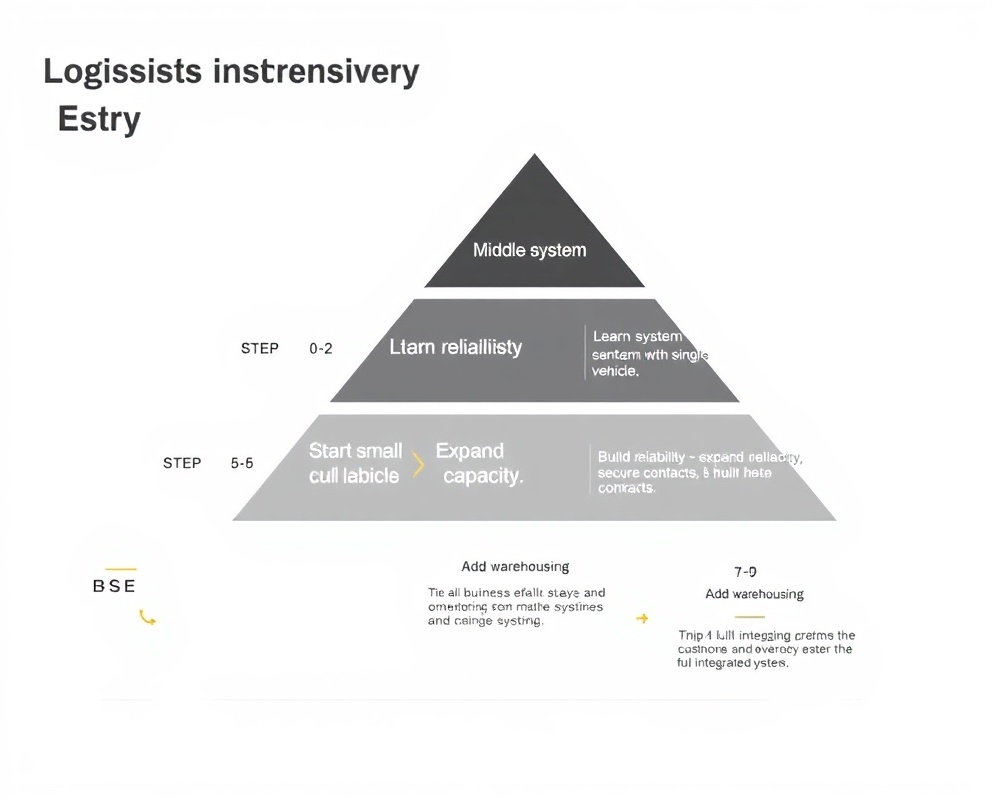
Step 1: Learn the System
Work in logistics operations, understand routes, costs, and how the system functions.
Step 2: Start Small
Begin with a single vehicle or small fleet. Focus on local delivery and building customer relationships.
Step 3: Build Reliability
Deliver consistently and on-time. Build reputation and repeat customer base.
Step 4: Expand Capacity
Add vehicles, hire drivers, increase routes. Grow volume as reputation strengthens.
Step 5: Move Into Contracts
Secure business clients with recurring volume. Long-term contracts stabilize revenue.
Step 6: Add Warehousing
Build storage capacity. Storage + distribution create higher margins and customer stickiness.
Step 7: Build Full Systems
Integrate transport, warehousing, fulfillment. Full-service 3PL commands premium pricing.
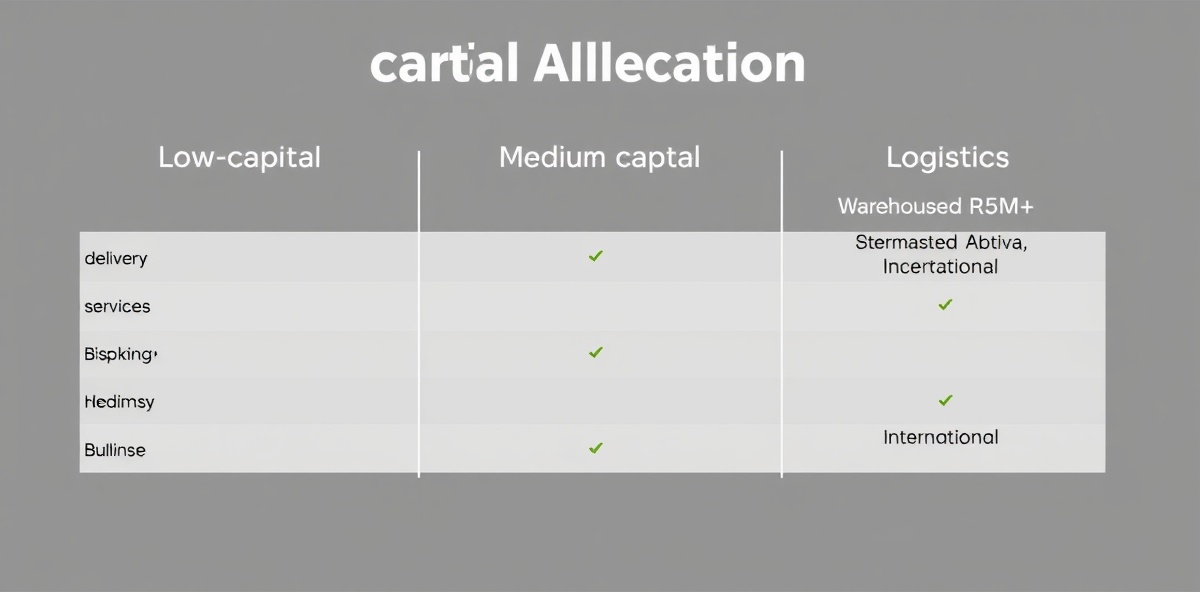
Low Capital (R10K – R500K)
- Delivery services (bike, scooter, small van)
- Brokerage (connect shippers with carriers)
- Dispatching (manage driver networks)
Medium Capital (R500K – R5M)
- Small fleet operations (3-10 vehicles)
- Regional logistics services
- Small warehousing operations
High Capital (R5M+)
- Warehousing networks (multiple locations)
- National logistics operations
- International freight and forwarding
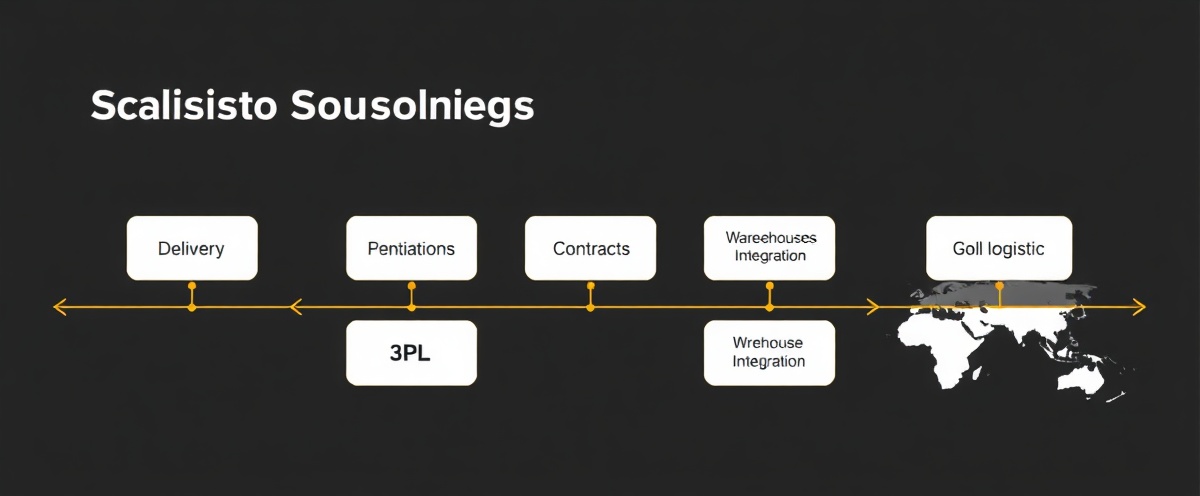
How Logistics Companies Scale:
- Increase Fleet Size: Add more vehicles and capacity to handle growing volume
- Improve Route Efficiency: Optimize delivery routes to reduce costs and time
- Add Warehouses: Establish distribution centers in new geographic markets
- Expand Regions: Extend operations to new cities and regions
- Secure Long-Term Contracts: Lock in guaranteed volume and revenue
- Use Technology: Implement systems for tracking, routing, and operations
Key lesson: Scale comes from density + systems, not randomness. Build repeatable models and geographic coverage.
Long-term contracts are the foundation of logistics wealth. They transform unpredictable, transactional business into stable, recurring revenue.
Benefits of Contracts:
- Predictable Revenue: Know exactly what you will earn each month
- Business Stability: Secure customer relationships reduce risk
- Higher Valuation: Recurring revenue commands premium multiples when selling
- Financing Leverage: Banks fund operations based on contract revenue
Key insight: Contracts turn logistics from risky transaction business into a cashflow machine.
Technology is transforming logistics and creating competitive advantages:
- GPS Tracking: Real-time vehicle and package tracking builds customer trust
- Route Optimization: AI algorithms find most efficient routes and reduce fuel costs
- Warehouse Systems: Automated inventory and fulfillment reduce labor costs
- Data Analytics: Analyze data to optimize operations and pricing
- Automation: Robotic sorting, scanning, and packing increase efficiency
Companies that invest in technology early gain significant competitive advantages in cost, speed, and customer service.
South Africa presents unique logistics opportunities:
- Growing E-Commerce: Rapid growth in online shopping drives last-mile delivery demand
- Delivery Gaps: Gaps in reliable delivery services create entry opportunities
- Regional Hub: South Africa can serve African markets with growing demand
- Trade & Transport: Strong import/export activity creates freight forwarding opportunities
- 3PL Growth: Businesses increasingly outsource logistics to specialists
South Africa's position as economic hub of Africa creates logistics opportunities for companies willing to build professional, reliable operations.
Courier Networks
Multi-location courier services with fast delivery times. Volume-based economics.
3PL (Third-Party Logistics)
Full-service logistics for other companies. Integrated transport, warehousing, fulfillment.
Fulfillment Centers
E-commerce fulfillment specialization. High-margin service for online retailers.
Freight Forwarding
International shipment management. Customs coordination and cross-border expertise.
Cold Chain Logistics
Temperature-controlled transport and storage. Premium margins for pharma, food, biotech.
Integrated Logistics Holding
Own multiple services under one company. Vertically integrated competitive advantage.
The world's largest logistics fortunes follow proven principles:
- Control Key Routes: Dominate high-volume routes with network density
- Build Infrastructure: Own warehouses, distribution centers, and equipment
- Secure Long-Term Contracts: Lock in high-volume recurring business
- Optimize Efficiency: Continuously improve cost per unit through technology and process
- Expand Globally: Build international networks and cross-border capabilities
- Professional Management: Scale requires professional operations and governance
Billionaire logistics fortunes are built through consistent execution, network building, and long-term relationships—not quick trades or speculation.
Revenue-Generating Assets First
Invest in vehicles and warehousing that immediately generate revenue.
Track Returns Per Asset
Measure ROI per vehicle and per warehouse location to optimize allocation.
Avoid Overexpansion
Grow incrementally based on contracts and customer demand, not speculation.
Reinvest Into Systems
Technology and process improvements generate highest returns on capital.
Logistics is a powerful wealth-building industry, but success requires realistic assessment of challenges:
- Fuel Costs: Volatile fuel prices impact margins. Long-term contracts protect against this.
- Maintenance: Vehicles require constant maintenance and eventual replacement. Budget heavily.
- Driver Management: Recruiting and retaining quality drivers is ongoing challenge.
- Delays & Disruption: Traffic, weather, mechanical issues create schedule challenges.
- Theft & Damage: Loss and damage require insurance and risk management systems.
- Thin Margins: Early-stage operations run on thin margins. Requires discipline.
- Execution Complexity: Managing fleet, routes, drivers, and customers is operationally complex.
Logistics success requires operational excellence and professional management. Cut corners and you will fail. Invest in systems and people.
Long-term logistics success is built on trust and responsibility:
- Reliability: Deliver on time, every time. Reliability is your only competitive advantage.
- Safety: Safe driving and handling of goods is non-negotiable.
- Compliance: Follow all regulations regarding hours, vehicle safety, and insurance.
- Honest Service: Transparent pricing and honest communication with customers builds loyalty.
The biggest logistics companies succeed because they are trustworthy. Build reputation for reliability and you will attract best customers and command best pricing.
The most valuable logistics companies become essential to how goods move. They are not optional—they are required.
When your company becomes so integral to customer operations that switching would be disruptive, you have created a durable competitive advantage and wealth-generating machine.
The largest logistics fortunes are built by creating indispensable infrastructure. Companies that customers depend on command higher pricing, enjoy longer contracts, and build exponential wealth.
- Core Economic System: Logistics is fundamental to commerce. Demand is essential and growing.
- Multiple Entry Points: From delivery services to global 3PL, there are opportunities at all capital levels.
- Contracts + Scale = Wealth: Long-term contracts combined with growing volume create exponential wealth.
- Systems Drive Profitability: Professional operations, technology, and processes generate margins.
- Infrastructure Creates Value: Companies that become essential to customer operations create moats and long-term value.
- Execution Is Everything: Operational excellence determines winners. Cut corners and you fail.
- Long-Term Thinking: Build for permanence, not quick exits. Generational logistics companies are most valuable.
Logistics is just one of many wealth-building sectors covered in our educational guide series. Explore other industries, investment strategies, and capital allocation approaches:
Outsourced logistics provider that handles transport, warehousing, and fulfillment for other companies.
Percentage of vehicle capacity in use. Higher utilization improves margins and profitability.
Final leg of delivery from distribution center to customer. Most costly but most visible service.
Complete order processing including picking, packing, and shipping. Specializes in e-commerce.
Coordination of international shipments including customs, documentation, and shipping.
Storage, inventory control, and handling of goods. Generates recurring revenue.
Hub facility for aggregating and redistributing goods to regional locations.
Temperature-controlled logistics for perishable goods (food, pharma, biotech).
Using software to find most efficient delivery routes and reduce fuel costs.
Long-term partnerships with fixed volume and pricing. Creates revenue stability.
Partial truckload shipments. Smaller loads consolidated with other shipments.
Complete truckload of one shipment. Higher margins than LTL.