The Complete Guide to Building Billion-Dollar Wealth in the Energy Industry
From Small Energy Projects to Global Power Infrastructure — A Structured Learning Resource for Beginners to Advanced Investors
Why the Energy Industry Creates Billionaires
Energy powers every economy. From electricity and fuel to renewables and infrastructure, the global economy depends on reliable energy systems.
This industry offers some of the largest wealth-building opportunities due to its scale, demand, and long-term contracts. Unlike speculative industries, energy infrastructure generates consistent cashflow and creates durable competitive advantages.
This guide explains how wealth is built in the energy sector — step by step.
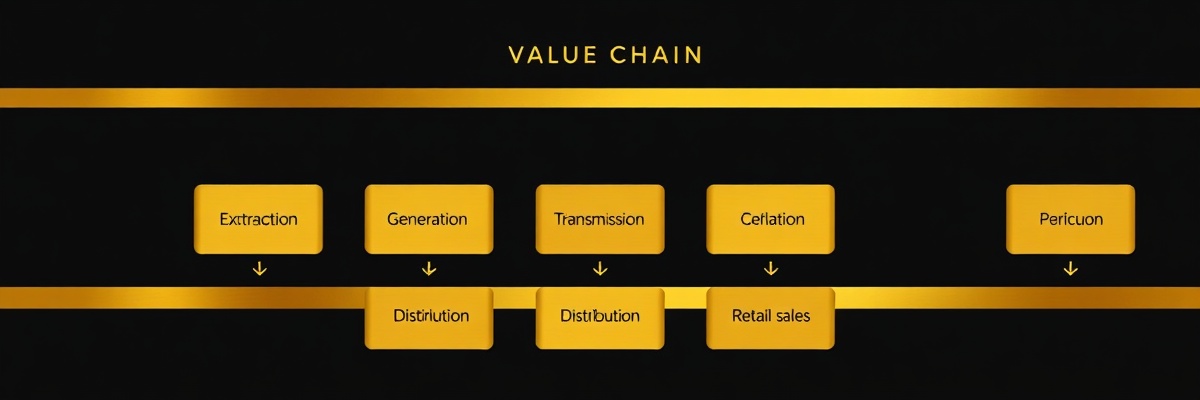
Understanding the Energy Value Chain
Energy moves through a clear, predictable chain from extraction to end-user consumption. Understanding where value is created at each stage is critical.
Types of Energy & Market Dynamics
Fossil Fuels
Oil, Gas, Coal
Established market with proven demand. High cashflow generation. Mature infrastructure and supply chains.
Characteristic: Stable, high-margin, long-term contracts
Renewable Energy
Solar, Wind, Hydro
Rapid growth globally driven by environmental regulations and cost reductions. Significant investment from both public and private sectors.
Characteristic: Growth trajectory, government incentives, clean energy premium
Emerging Energy
Hydrogen, Battery Storage, Nuclear Innovation
Next-generation technologies with enormous growth potential. Early-stage opportunities for innovators and early adopters.
Characteristic: High-growth, speculative, first-mover advantages
Where the Money is Made
Energy wealth is created through specific profit mechanisms. Understanding these drives intelligent investment decisions.
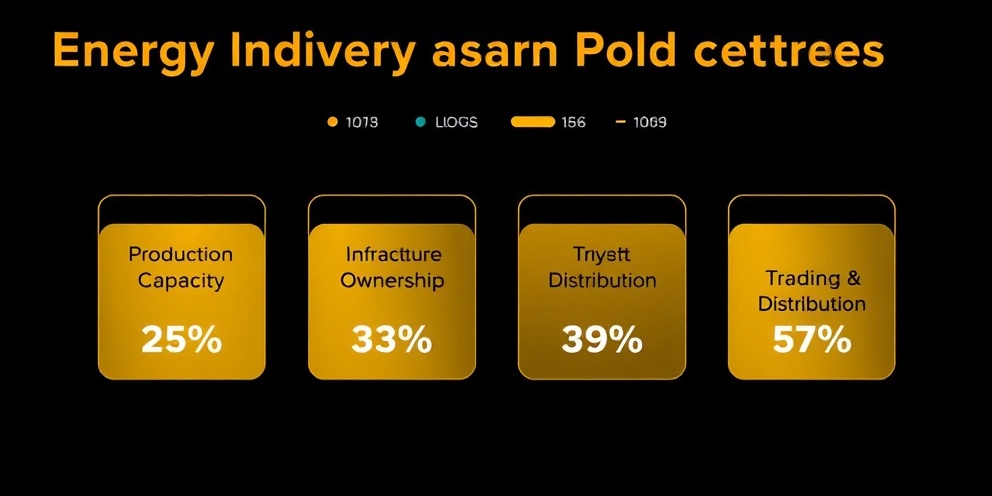
Key Insight: Owning infrastructure and production assets generates the most consistent wealth. This is why the largest energy fortunes come from ownership, not trading or speculation.
Entry Strategies by Level
Energy industry entry varies dramatically based on capital and expertise. Here's the roadmap for different investor profiles.
Beginner Level
Goal: Learn fundamentals and build income
- Work in energy companies (technical or business roles)
- Learn industry operations and relationships
- Invest in energy stocks or ETFs
- Build foundational knowledge
Timeline: 2-5 years of learning and experience
Intermediate Level
Goal: Build first operating asset
- Start solar installation services
- Launch energy consulting business
- Supply equipment to larger operators
- Build first customer relationships
Timeline: 2-3 years to profitability
Advanced Level
Goal: Own production assets
- Develop solar or wind farms
- Build power generation infrastructure
- Bid for large supply contracts
- Operate utility-scale projects
Timeline: 5-10 years to institutional scale
Low-Capital vs High-Capital Paths
Energy business success depends on matching capital availability to the right opportunity.
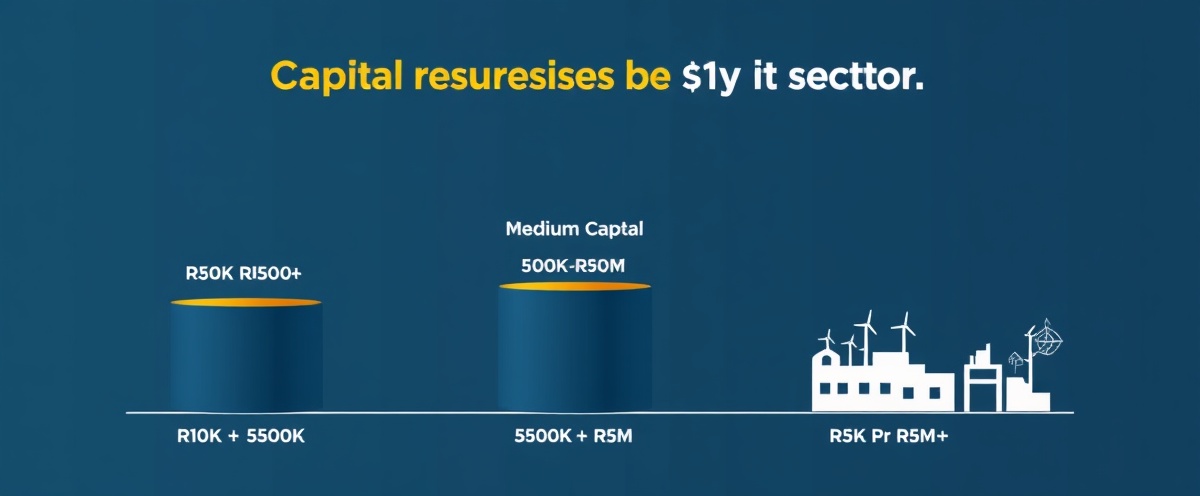
Low Capital (R10K – R500K)
- Solar panel installation services
- Energy efficiency consulting
- Equipment reselling
- Backup power system sales
Path: Service business → Equipment supply → Small installations
Medium Capital (R500K – R5M)
- Small solar farms (50-500kW)
- Backup power systems for businesses
- Energy service companies
- Local distribution partnerships
Path: Small farms → Regional operator → Multiple sites
High Capital (R5M+)
- Power plants and generation facilities
- Grid infrastructure projects
- Oil and gas operations
- Utility-scale renewable projects (MW+ capacity)
Path: Large infrastructure → Multiple assets → Utility scale
How Energy Businesses Scale
Scaling in energy requires a disciplined roadmap moving from small operations to institutional scale.
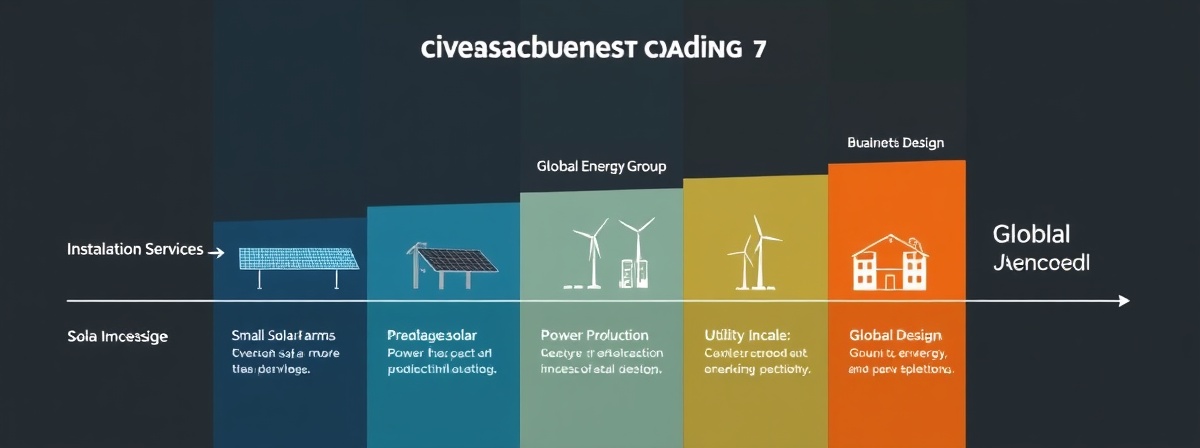
Scaling Mechanics in Energy:
• Increase Production Capacity — Build or acquire additional generation assets and infrastructure
• Secure Long-Term Contracts — Lock in revenue through power purchase agreements (PPAs) and supply contracts
• Expand Infrastructure — Build distribution and transmission networks to reach more customers
• Enter New Markets — Expand geographically to new regions and countries with different energy needs
• Build Strategic Partnerships — Partner with equipment suppliers, technology providers, and distribution partners
South Africa Energy Opportunity
South Africa presents unique opportunities in the energy sector due to specific market dynamics and regulatory environment.
Key Context: South Africa's energy crisis has created one of the most active energy markets in Africa. Entrepreneurs with capital and expertise can capture significant opportunity in the next 5-10 years.
High-Growth Energy Business Models
Different business models dominate energy at different scales. Choose the model that aligns with your capital and expertise.
Independent Power Producers (IPPs)
Generate electricity and sell through PPAs to utilities or commercial customers. Largest opportunity in emerging markets.
Solar Installation & Services
Install solar systems for residential and commercial customers. Recurring revenue through maintenance contracts.
Energy Infrastructure
Own and operate transmission lines, distribution networks, or generation facilities. Long-term, stable revenue streams.
Oil & Gas Operations
Explore, extract, and sell oil and gas. Highest margins but requires significant capital and technical expertise.
Utility Companies
Integrated utilities that generate, transmit, and distribute energy. Largest scale but require institutional capital.
Energy Trading
Buy and sell energy in commodity markets. Lower margins but highly scalable with proper infrastructure and capital.
How the Largest Energy Fortunes Are Built
The world's largest energy fortunes follow proven principles. These are the same strategies used by billionaire energy investors.
1. Own Production Assets — Build or acquire power generation capacity. Ownership of physical assets that generate electricity or fuel creates the foundation of energy wealth.
2. Control Infrastructure — Own transmission lines, pipelines, and distribution networks. Infrastructure ownership is the most defensible and valuable position in energy.
3. Secure Long-Term Contracts — Lock in revenue through Power Purchase Agreements and long-term supply contracts. These create revenue certainty and are the most valuable assets energy companies own.
4. Scale Operations Globally — Expand to multiple geographies and markets. Diversification across regions reduces risk and increases total addressable market.
5. Reinvest Profits Into New Capacity — Earn returns and immediately reinvest into building more capacity. Compounding through reinvestment is how fortunes multiply over decades.
6. Build Professional Management — Scale requires professional teams, governance, and operational excellence. The best energy companies are professionally managed with clear accountability.
Capital Allocation in Energy
Energy businesses require disciplined capital deployment. Understanding how to allocate capital is as important as choosing the right opportunity.
Risks & Challenges in Energy
Energy is a powerful wealth-building industry, but it carries real risks. Honest assessment is critical for success.
Critical Truth: This is a long-term, capital-intensive industry. Energy success requires patience, discipline, and ability to weather cycles. It is not suitable for short-term traders or investors without staying power.
Key Lesson: Execution matters more than market conditions. The operators who manage projects professionally, maintain strong relationships, and execute consistently outperform those who don't. Focus on operational excellence.
Ethics, Responsibility & Sustainability
Building long-term energy wealth requires responsibility, not just profit maximization. The strongest companies operate with strong ethics and environmental standards.
Wealth Comes From Owning Energy Infrastructure
Energy assets generate long-term, stable cashflow and are essential to economic growth. Ownership and scale drive wealth in this industry.
The world's largest energy fortunes — from John D. Rockefeller to modern billionaires like Elon Musk — were built through:
• Ownership of production assets (power plants, oil fields, solar farms)
• Control of infrastructure (pipelines, transmission lines, distribution networks)
• Long-term contracts that guarantee revenue and enable leverage
• Disciplined reinvestment of earnings into additional capacity
• Multi-decade focus on compounding wealth, not quarterly results
Energy is one of the few industries where disciplined long-term investors can build generational wealth. The key is patience, capital discipline, and operational excellence.
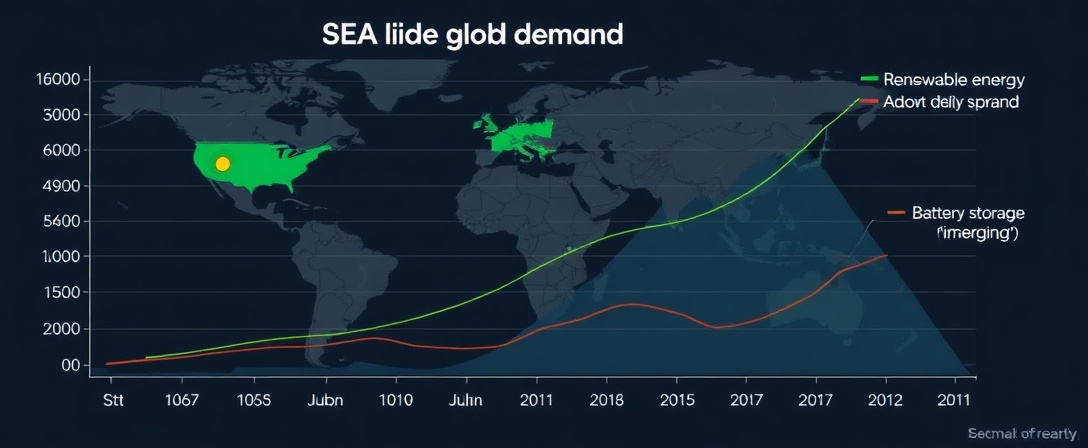
Global Energy Demand Growth
Multiple global trends create favorable conditions for energy investment and wealth building.
Summary: Building Wealth in Energy
1. Massive Global Demand — Energy is essential to every economy. Demand is growing, not shrinking. This creates a stable market for decades ahead.
2. Multiple Entry Points — From solar installation services at R10K to utility-scale projects at R5M+, there are entry points for different capital levels.
3. Capital + Execution = Scale — Success in energy requires both capital and professional execution. The best operators win. Build or hire professional management.
4. Long-Term Contracts Create Stability — Power Purchase Agreements and long-term supply contracts are the most valuable assets in energy. Pursue contracted revenue, not spot market sales.
5. Ownership Beats Trading — Build wealth through ownership of production assets and infrastructure, not through commodity trading or speculation.
6. Reinvestment Drives Compounding — Reinvest earnings into capacity expansion. Compounding over decades creates exponential wealth.
7. Discipline Over Hype — Energy wealth is built through patient capital, long-term thinking, and operational excellence — not hype or quick exits.
Energy Industry Glossary
Common terms and definitions used in the energy industry.
Ready to Explore Energy as a Wealth-Building Platform?
Explore more RS Kahn Holdings guides on business, investing, and capital allocation. Build your knowledge foundation before scaling to institutional-grade wealth creation.
Explore More Guides